A 3C injection shop runs tight takt, expensive stops and a mixed fleet. In this case 12 robots spanned four brands and the customer booked OEM service per brand - four stops for one round of maintenance. We moved them to a single unified window.
12 robots across four brands serve 6 injection lines for part removal and tray loading; one hour of line stop costs four figures in yuan. Maintenance was booked per brand with the OEMs - four brands, four windows, and the line got cut a dozen-plus times a year for service. Two older models were already out of OEM support, with spares at two weeks or more.
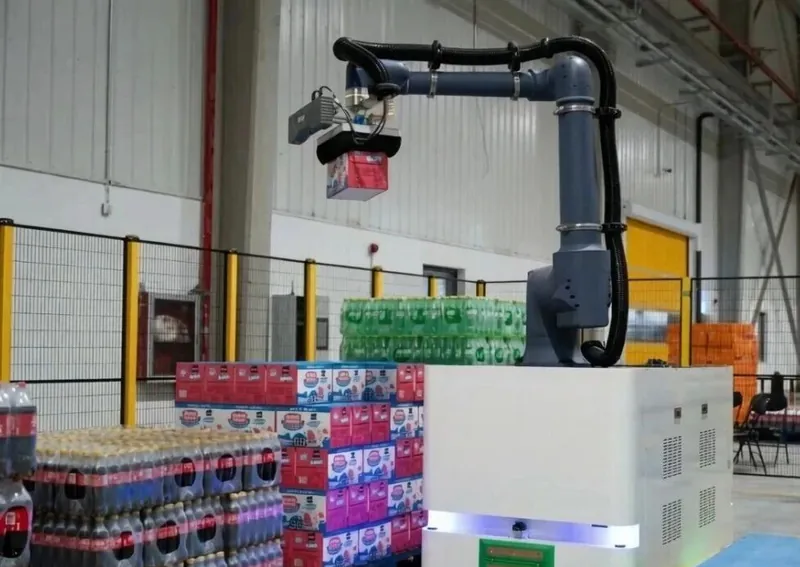
First, an equipment file: model, service age, alarm history, reducer and battery due dates for all 12. Second, we merged robot service into the customer's existing monthly mould-maintenance window - robots and moulds serviced in one stop. Third, a mixed-brand spares cabinet: common parts for all four brands (battery packs, encoder cables, filter mats, grease, brake relays) stocked ahead of the due dates in the file, plus a validated substitute-parts list for the two unsupported models.
The three commonest on unloading robots: vacuum-circuit leaks causing pick-failure alarms (quick connectors and the vacuum generator); insufficient rail lubrication on the traverse axis causing following error (re-lube plus a corrected auto-lube interval); and handshake timeouts with the mould-open signal (timing parameters aligned on both sides). Over the year the 12 robots had 9 unplanned stops: 7 recovered inside 4 hours, 2 recovered the same shift after a part change.
Service stops collapsed from a dozen-plus scattered windows into 12 monthly windows shared with mould maintenance; average unplanned-stop recovery under 4 hours. Handover: equipment file, monthly service records, spares-cabinet list with replenishment advice, and the substitute-parts validation list for the two old models.