We compile the industry information that matters most to factory owners, helping you see trends clearly and make sound decisions. Compiled by Henghuan Robotics's editorial team for reference only.
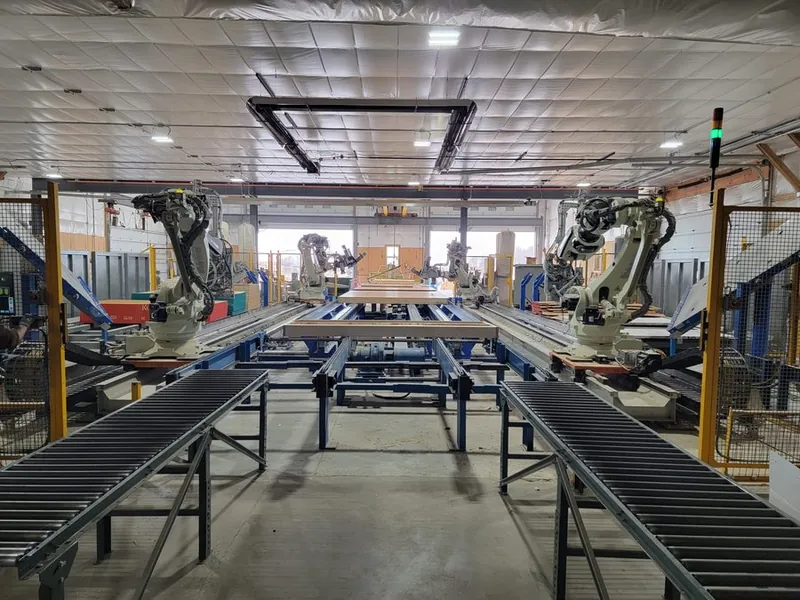
The three most direct rivals are competing not for orders or components but for data: selected for GENIAC, developing the VTLA model, and collecting 5,000 hours of field data in the first year. The axis of competition is shifting from machine performance to the scale and quality of data — with knock-on effects for teaching, integration and maintenance on the line.
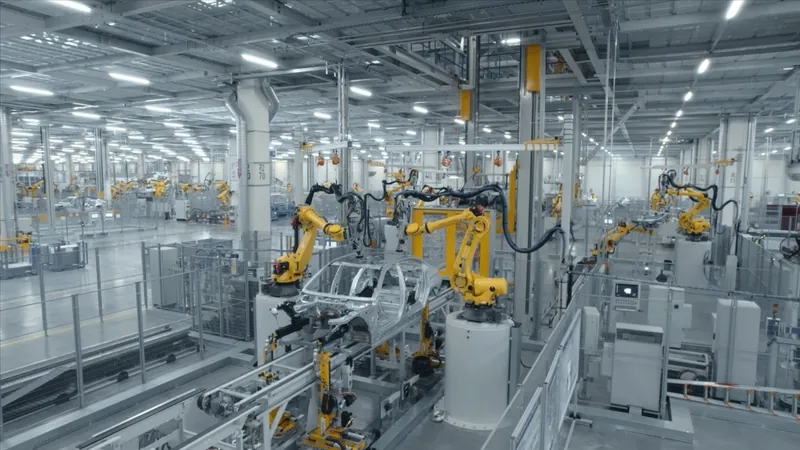
Toyota has set up a new 'Toyota Robotics' organization to sell robots running its in-house AI; the core robot ELEY pairs a compact wheeled platform and two-finger hands with the behavior foundation model LBM. The 400,000-unit figure is not just an installation count — 150,000 within the group plus 250,000 at suppliers effectively turns the whole supply chain into a net for collecting field data.
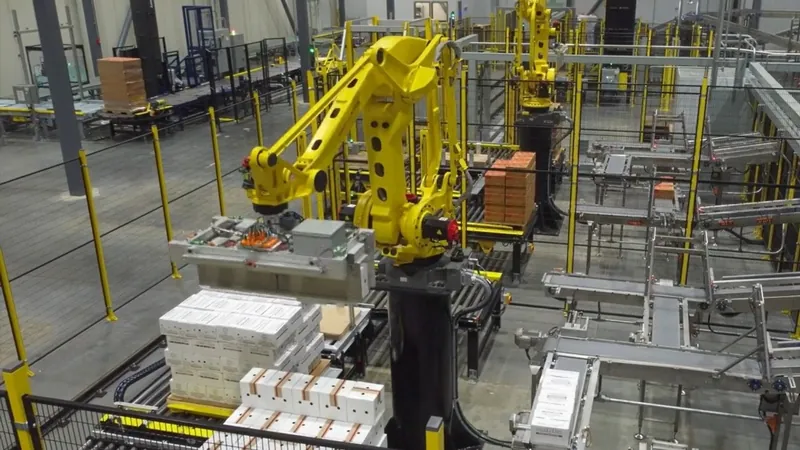
Sumitomo Corporation pairs with America's Dexterity on truck-loading robots; Itochu joins CTC and Mamezou to enter food processing; Marubeni acquires Switzerland's TOLUS to bet on machine tools and ultra-precision parts for humanoids. The five trading houses are seeding embodied intelligence — but none of the returns are in the books yet.
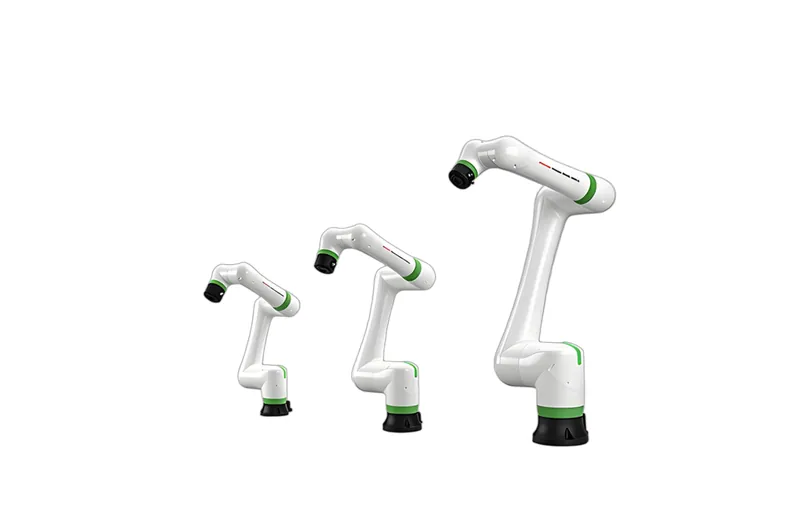
Running the exact FANUC control algorithms used on real machines inside simulation narrows the control-response side of the Sim-to-Real gap; a dual-arm CRX robot has already been shown learning to fold T-shirts. What truly decides the payoff is how much teaching and motion validation shift forward into simulation — and how far total deployment hours fall.
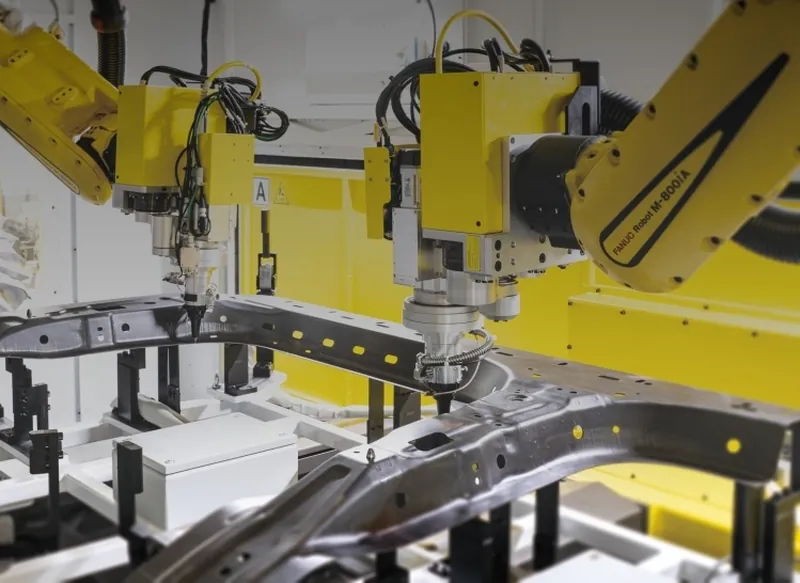
The M-800 series is switching trades from cutting and grinding to metal additive manufacturing: absolute accuracy up roughly tenfold to ±0.1 mm, paired with third-party DED tools to target the large, complex parts dedicated machines cannot reach. Tool on the outside, accuracy on the inside — who vouches for the quality of the whole system becomes the question.
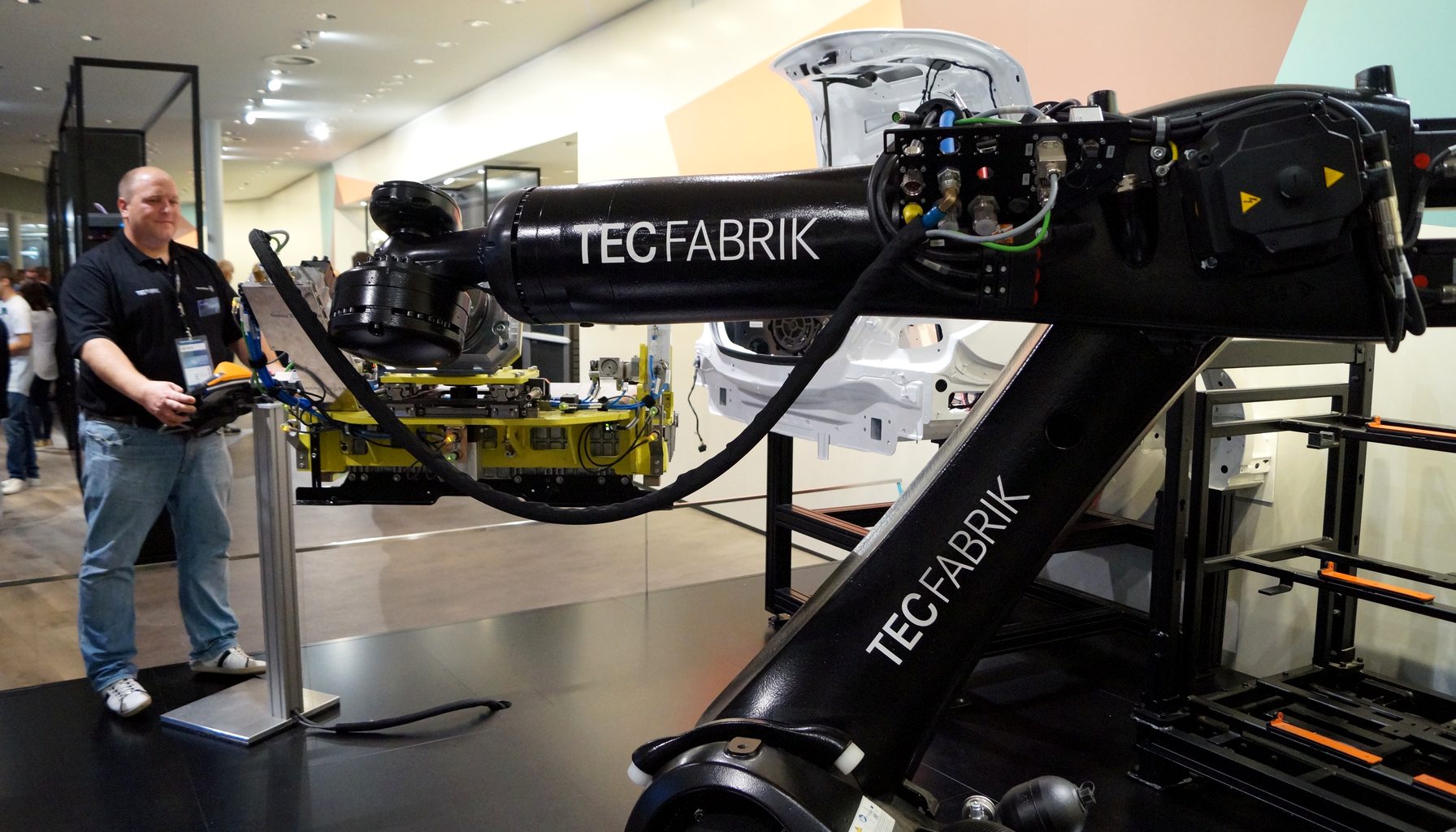
Guangdong accounts for nearly 40% of China's industrial robot production, with Foshan, Dongguan, Guangzhou and Shenzhen forming four major application hubs. The larger the installed base, the stronger the demand for repair and used-robot circulation — which is exactly where localised service finds its opportunity.
2026-07 · Compiled by Henghuan editors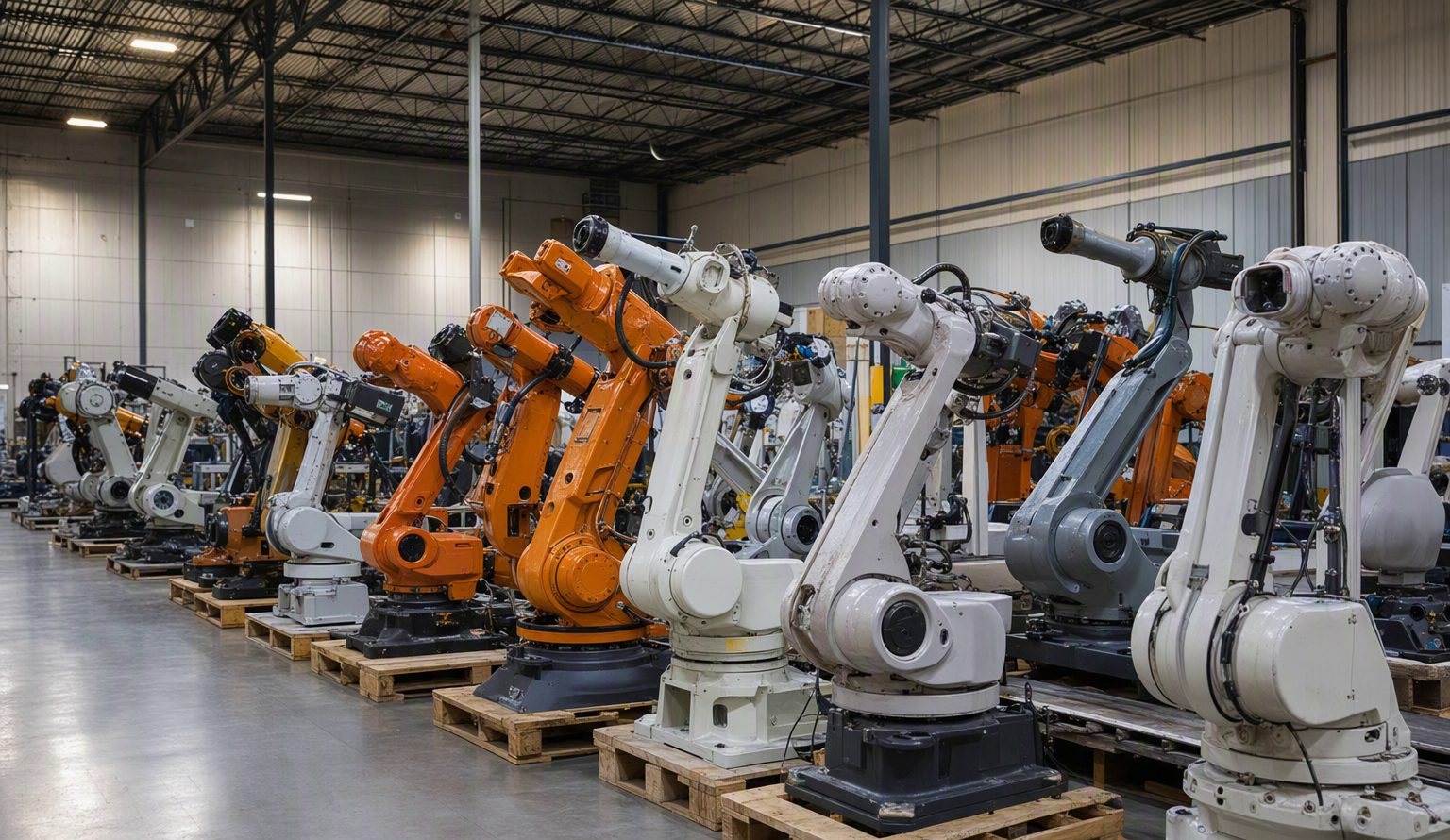
New-machine pricing is transparent and used machines offer clear value, so more small and medium-sized enterprises are adopting automation through "used robots + local technical service". In a market of "big market, small scattered traders", service providers with real technology and warranty earn more trust.
2026-07 · Compiled by Henghuan editors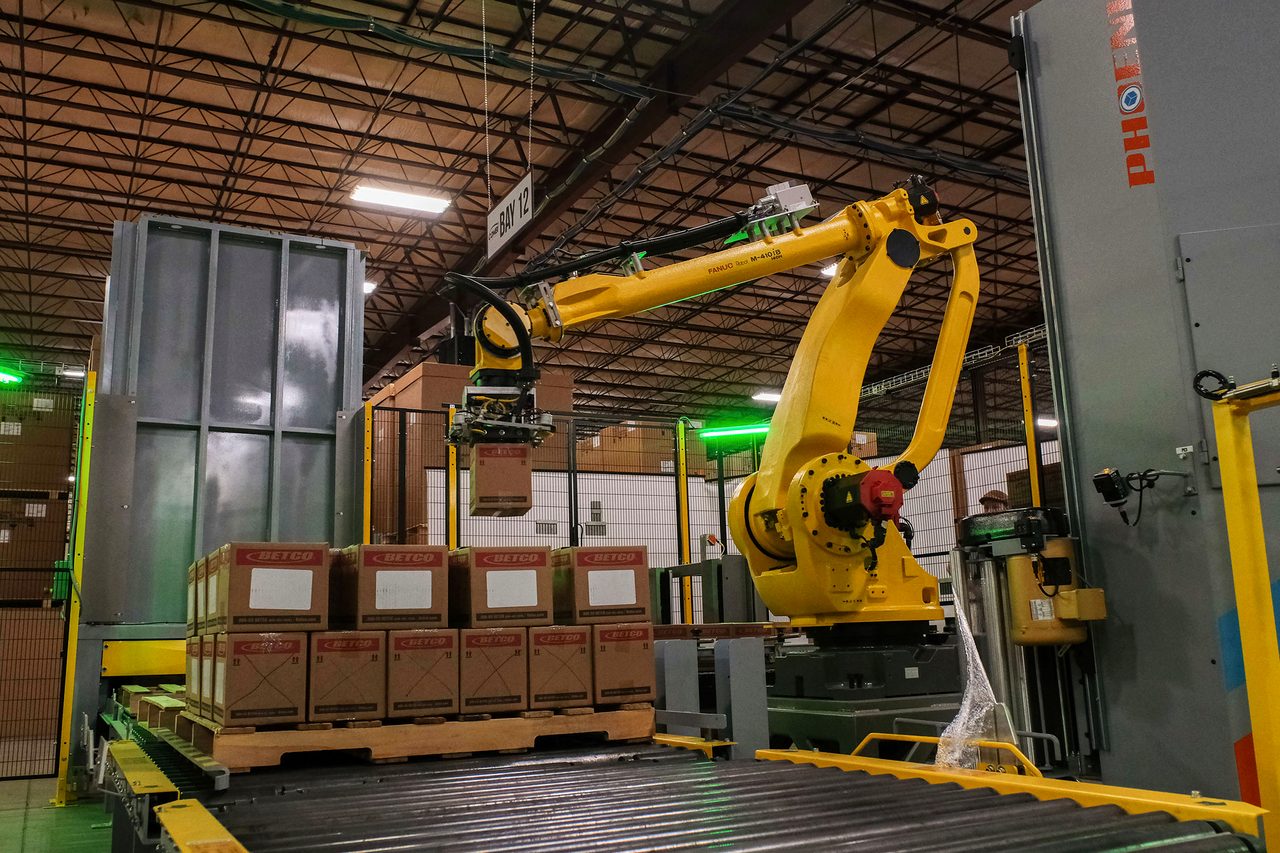
Leading domestic brands such as ESTUN, INOVANCE and SIASUN are growing fast, and mixing imported and domestic robots on one line is increasingly common. This sets a new bar for repair providers: they must be able to service multiple brands to support such lines.
2026-06 · Compiled by Henghuan editors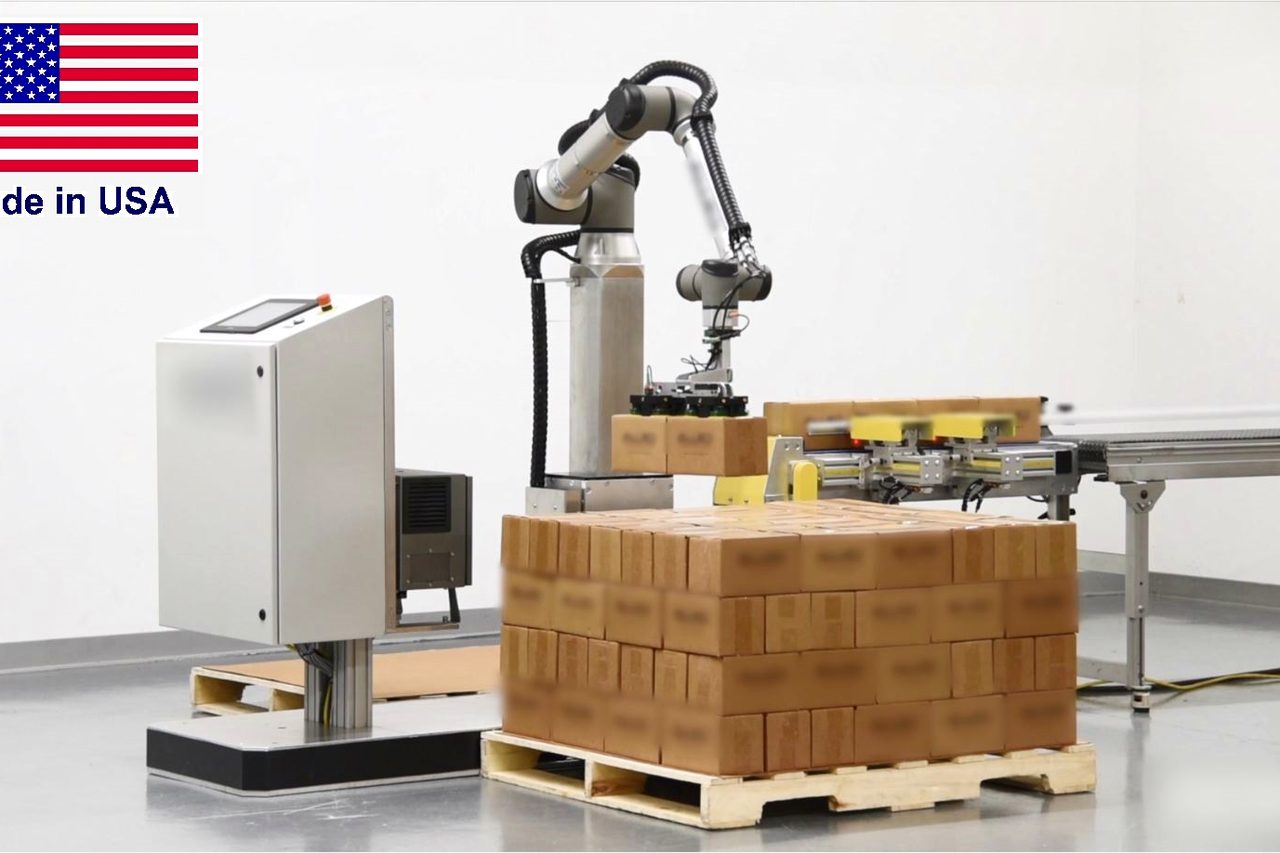
Collaborative robots lower the barrier to automation and create new needs along the way: safety assessment, operator training, and integration commissioning with existing lines. Application support is becoming a service valued even more highly than "selling machines".
2026-06 · Compiled by Henghuan editors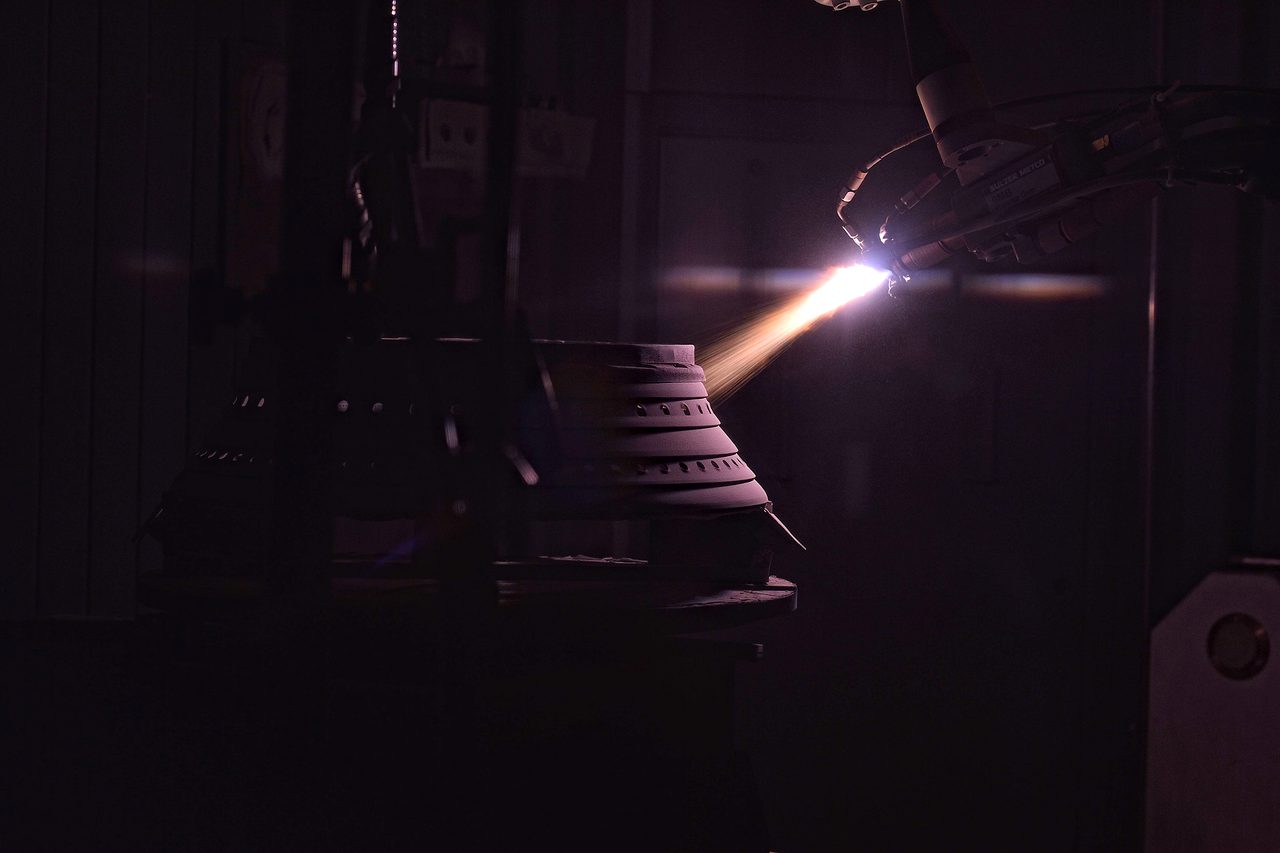
Manufacturing automation is accelerating in Indonesia, Vietnam, Thailand and Malaysia. Beyond buying new machines, better-value used equipment and localised technical services are becoming practical choices for small and mid-sized factories — one of the reasons we are extending our services into Southeast Asia.
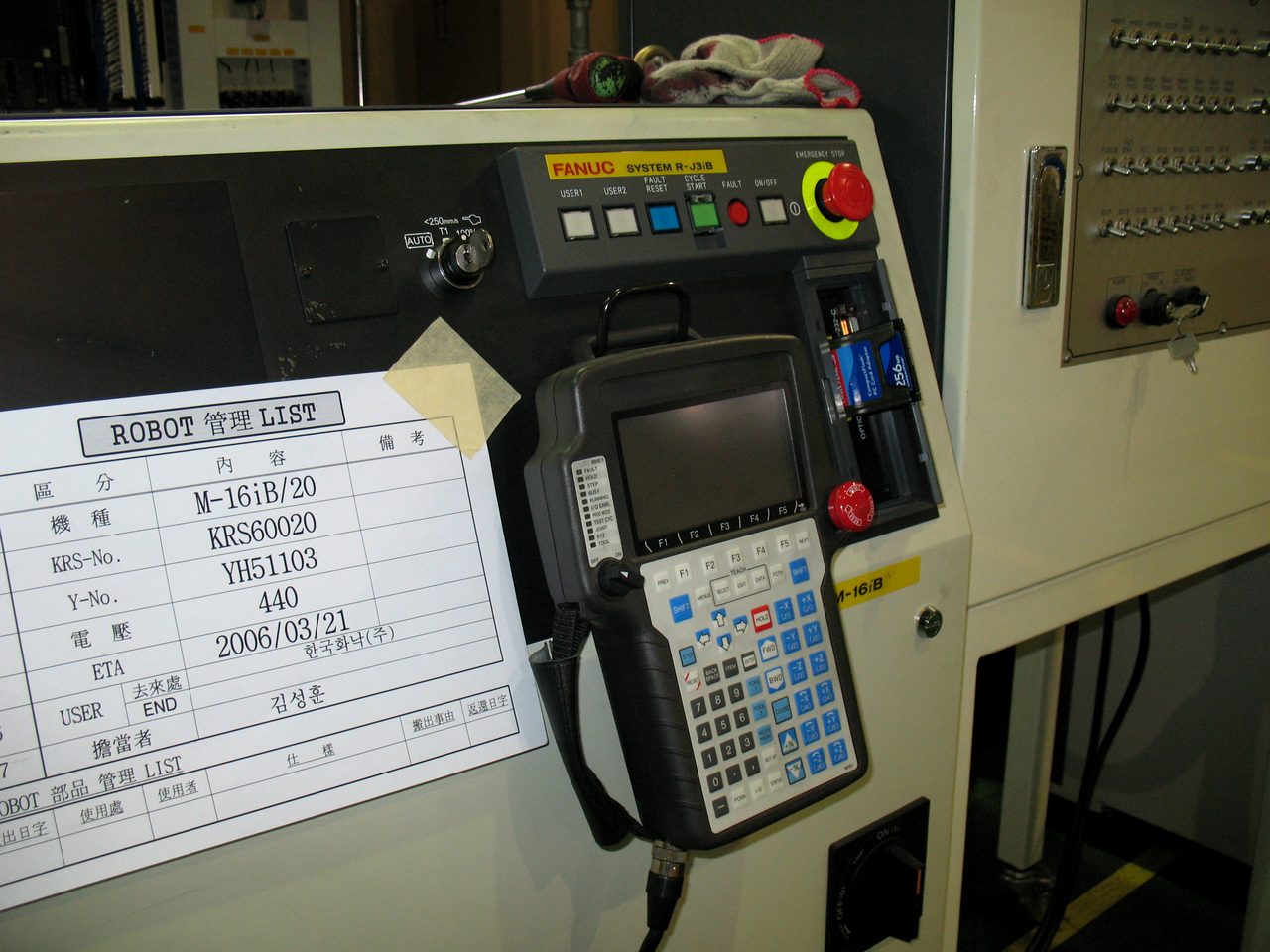
A machine reaching the end of its design life doesn't mean it must be scrapped. Running a measured assessment first, then comparing the total cost of retrofit versus replacement, is becoming mainstream practice; targeted upgrades such as electrical refurbishment, vision add-ons and safety retrofits often resolve most pain points at a fraction of the cost of new equipment.
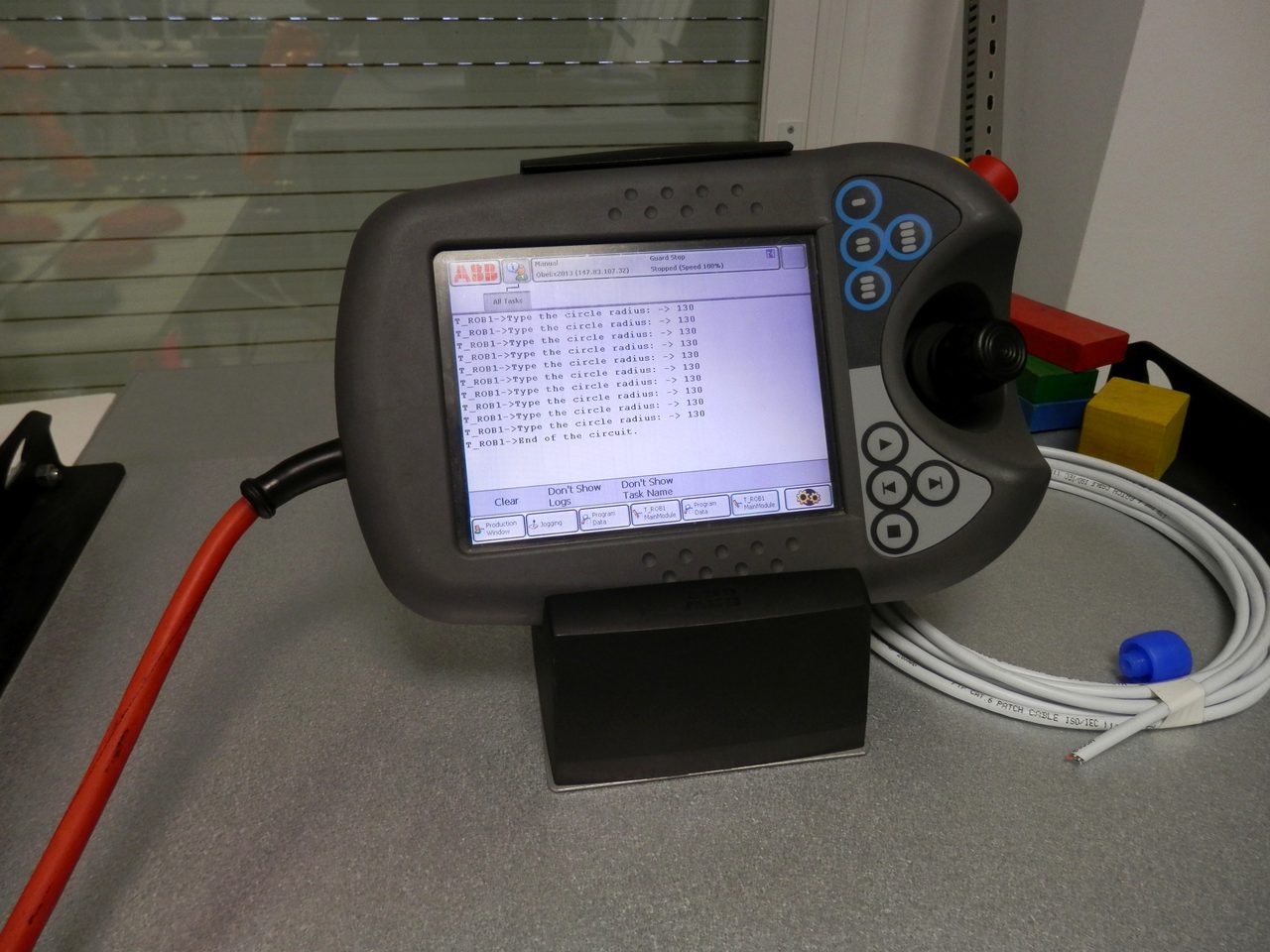
The installed base of Chinese brands such as INOVANCE and ESTUN is growing rapidly in handling, welding and bending applications. Supporting parts channels, repair resources and second-hand circulation are steadily improving, bringing down users' whole-life cost of ownership.
Repair, purchasing, retrofit — reach out anytime
Contact UsAll trademarks and logos belong to their respective owners and are used solely to link to their official websites. No affiliation, endorsement or partnership is implied.