
The question we hear most in this trade: "My robot sounds a bit off — should I worry?" Honestly, most noises are harmless. But two kinds can't wait. The reducer is one of the most expensive parts on a robot: a six-axis machine typically carries 3–4 RV reducers in the base, lower arm and upper arm, plus one or two harmonic reducers at the wrist. Let a gear fail completely and a replacement assembly costs more than ten years of preventive maintenance.
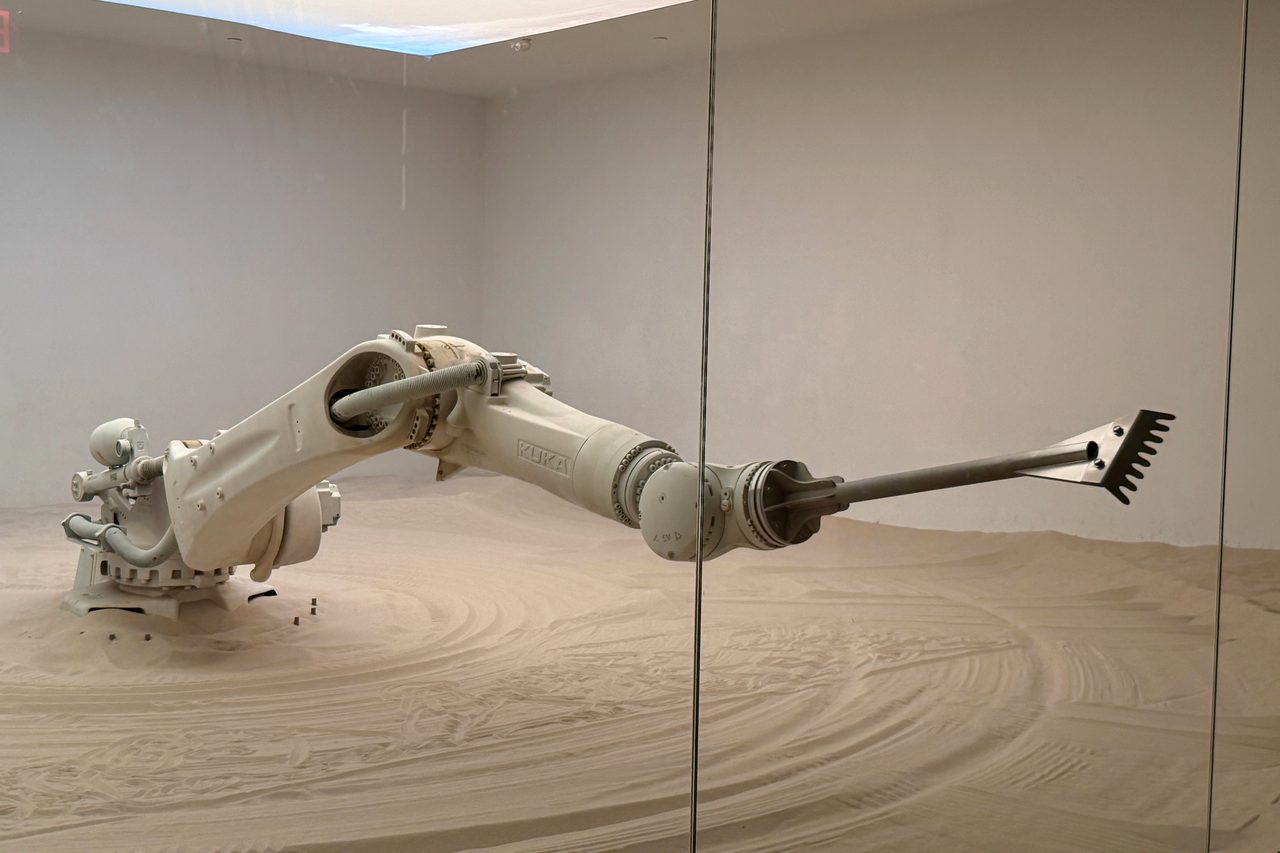
Step one: locate the sound
Run the robot through its full travel at no load and follow the noise joint by joint. Pinpointing which axis it comes from gets you halfway to a diagnosis. Rule out false leads first: is it the robot body, the control cabinet fan, or peripheral tooling such as grippers and positioners? Loose tooling causes plenty of "phantom" noises.
Four typical sound patterns, and what they mean
| Sound pattern | Likely cause | Urgency |
|---|---|---|
| Continuous low hum that changes with speed | Motor bearing or reducer running short of lubricant | Medium · schedule maintenance |
| Periodic knocking, faster as speed rises | Gear pitting or tooth flank wear | High · inspect soon |
| A click at the instant of direction change | Excessive backlash (gear wear or preload loss) | Medium-high · measure backlash |
| High-frequency whine with heat build-up | Bearing cage damage or severe oil starvation | High · stop and inspect |
Field-experience reference only; confirm by disassembly inspection.
Three checks you can run on site
1) Jog one axis back and forth and listen at reversal. Move the suspect axis a few degrees each way inside its safe range. A click at the moment of reversal almost always means backlash is out of spec — the most direct evidence of gear wear. 2) Check the temperature. After half an hour of continuous running, touch the joint housing. Too hot to keep your hand on (roughly 60 °C or above) points to lubricant breakdown or bearing damage. 3) Review the lubrication history. If the reducer grease hasn't been changed in two years or 6,000 hours, replenish or replace it to spec and listen again — a fair share of "abnormal noise" disappears right there.
When to stop the machine immediately
Don't keep it running if any of these appear: the noise suddenly gets louder or changes pitch, the joint housing is hot to the touch, position-deviation alarms show up, or black grease seeps from the lubrication port. Pushing on turns minor wear into broken teeth — repair costs multiply, and the robot can seize mid-production.
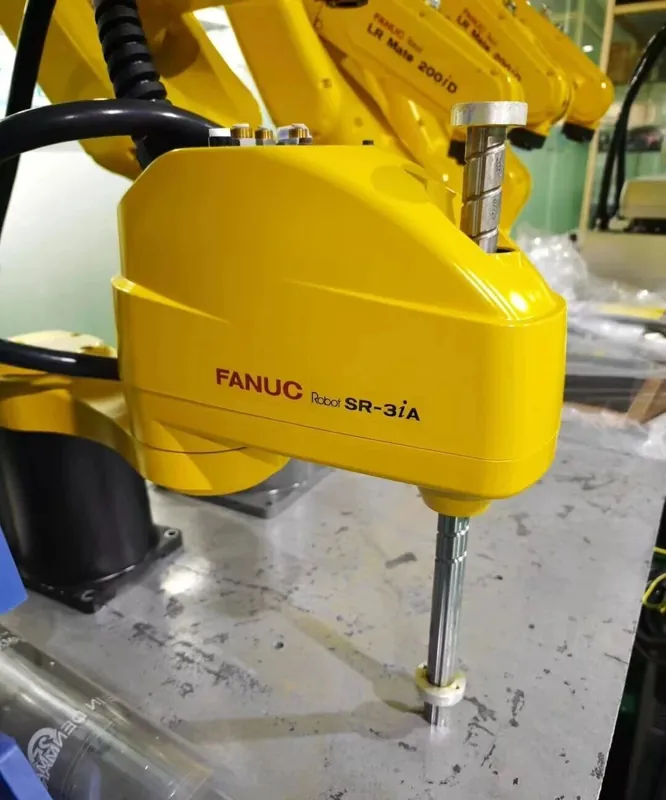
Field Notes
For sound-based triage, here is an actionable recording-comparison method: under the same working conditions record three clips — low-speed unloaded, high-speed unloaded, and full load — and compare them against three clips from a healthy machine of the same model. A cyclic stutter that appears only at full load usually points to internal reducer wear; a high-frequency sound already present unloaded usually points to bearings or insufficient lubrication; and a "noise" that is clean in all three clips is sometimes just sheet-metal resonance on the periphery — tighten it and be done. Keep the recordings on file so an engineer can re-listen remotely.
Three Key Concepts
- Three recordings
- Low-speed unloaded / high-speed unloaded / full load
- Resonance misread
- A noise that is clean in all three clips may be panel resonance
Not sure? Send us the sound first
Record a 30-second running video and send it over with the brand, model, age of the machine and where the noise comes from. Our engineers give a free preliminary assessment remotely. When an on-site inspection is needed, we reach you in the Pearl River Delta within 30 minutes to 3 hours. Related services: on-site fault diagnosis, full overhaul.