
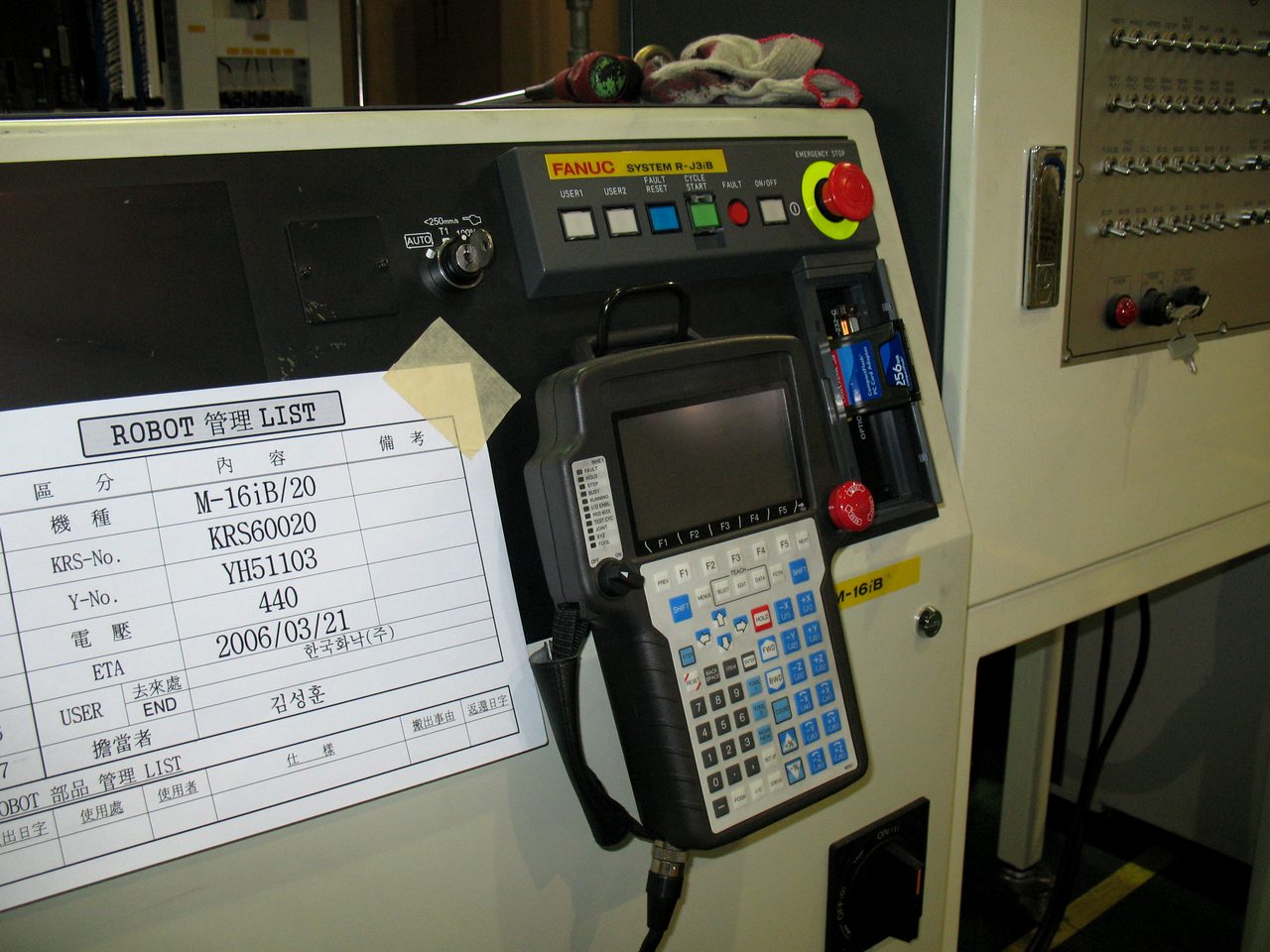
In plants running FANUC robots, SRVO-series servo alarms are probably the most common alarm type of all. The robot stops abruptly, an alarm pops up on the teach pendant, and many operators' first thought is: "It's broken — this is going to cost us." Not necessarily. A large share of servo alarms can be narrowed down with preliminary troubleshooting, and some can even be cleared on site. Drawing on our front-line repair experience, we've put together a four-step troubleshooting method for your reference.
Step 1: Record the Alarm Information in Full
Don't rush to reset and restart. Record the complete alarm code on the teach pendant (e.g. SRVO-001, SRVO-062), the alarm description text, and the operating conditions when the alarm occurred: what motion the robot was executing, what payload it was carrying, and whether the tooling had just been changed. The alarm code is the repair engineer's most important clue — the more complete your record, the more accurate the remote diagnosis, and the less time wasted re-creating the fault on site.
Step 2: Check the Emergency Stop and Safety Circuit
Some apparent "servo alarms" actually stem from the safety circuit. Check in turn: whether the emergency stop button on the teach pendant was pressed by mistake, whether the emergency stop on the control cabinet has been reset, and whether the external safety door/light curtain signals are normal. When the safety circuit is open, the robot cuts servo enable — symptoms that closely resemble a servo fault. Once confirmed and reset, the robot recovers immediately; no repair is needed.
Step 3: Inspect the Cables and the External Condition of the Motors
With the power off and safety confirmed, inspect the cables between the robot body and the control cabinet: look for visible damage, abrasion from the cable carrier (energy chain), or loose connectors. Observe whether the axis motors show signs of oil or grease leakage (possibly accompanied by reducer problems) or burnt odour (possibly overheated windings). Fatigue fracture of cables is one of the most frequent causes of servo alarms on used and aging robots, especially equipment that has run high-cycle duty for years.
Field Notes
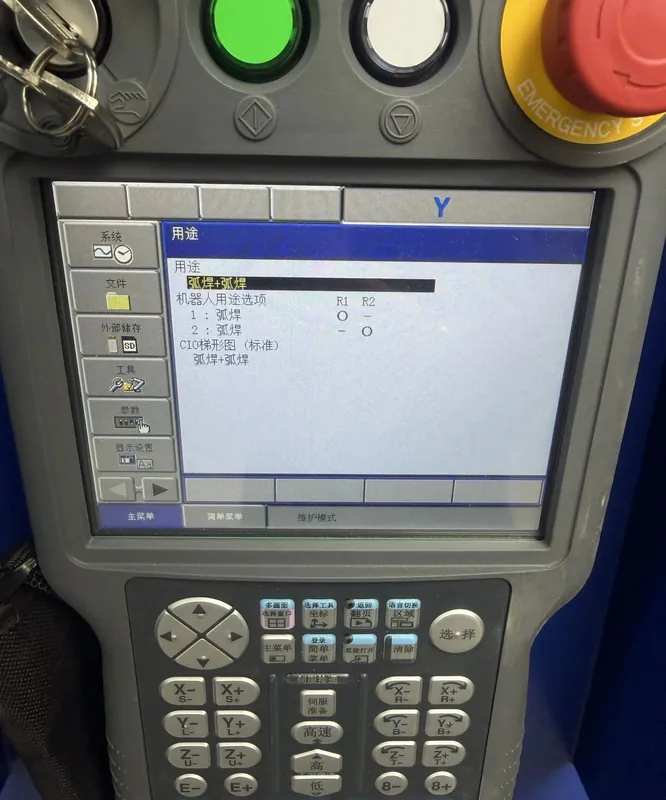
One more field note: among SRVO-prefixed alarms, the 004/005/006/007 group points to the e-stop and safety-gate circuit, the 021/023/024 group points to brakes and motor feedback, and the 043-047 group points to amplifier current and voltage. Grouping by prefix before digging deeper is far faster than working through the cause list one item at a time. When you record the alarm, copy the full code from the iPendant together with the two-digit status code on the amplifier panel — those two codes cut half the back-and-forth of a remote diagnosis.
Quick Reference
| Item | Field standard |
|---|---|
| What to check first | Alarm code plus amplifier panel code |
| When to stop | Still recurring after two clears |
| Must accompany delivery | Written test record and quotation |
Step 4: Power Cycle and Observe Whether the Alarm Returns
After completing the checks above, power the robot down and back up following the proper procedure. If the alarm clears and operation returns to normal, it may have been transient interference or thermal protection — keep observing and schedule a maintenance inspection. If the alarm reliably recurs on a specific axis, that axis's servo motor, encoder or drive circuit has a genuine fault, and professional diagnosis is needed.
Need an On-Site Repair?
If the problem persists after troubleshooting, or if the alarm involves core components such as the servo motor or reducer, leave it to a professional team. Henghuan Robotics is expert in the repair and commissioning of well-known global and leading Chinese brands including FANUC, and offers on-site fault diagnosis — inspection first, quote after. You can also send us the alarm code first; our engineers will provide a free preliminary remote assessment. And if you're facing a specific alarm code, browse our FANUC Alarm Code Library — 50+ codes explained with field-tested fix steps.