There's no need to rush into replacing older equipment. First assess whether a retrofit is worth it, then act — a sensible investment that brings your existing equipment up to new production requirements.
Every retrofit starts with an assessment plan and quotation — work only begins once you confirm
End-effector / gripper replacement and customisation, vision and sensor add-ons, safety fencing and light-curtain upgrades, cable carrier optimisation — adapting your equipment to new processes.
Adapts to new processesController version upgrades, program rewriting and optimisation, parameter recalibration, backup and migration — older systems can still run stably and accurately.
Stability & accuracyCycle-time optimisation, trajectory and logic optimisation, accuracy-recovery calibration, energy-consumption improvement — the same equipment, better output.
Better quality, higher outputRepair, retrofit or replace — which is most economical? We provide a written assessment: condition inspection, retrofit plan and cost, compared against the cost of buying new, to help you decide.
Assess first, act laterThe risk in a retrofit project isn't the technology — it's unclear scope and unclear expectations. Our approach: explain the current condition and problems thoroughly at the assessment stage, spell out scope, timeline and cost clearly at the planning stage, and only accept delivery after joint commissioning has met the targets.
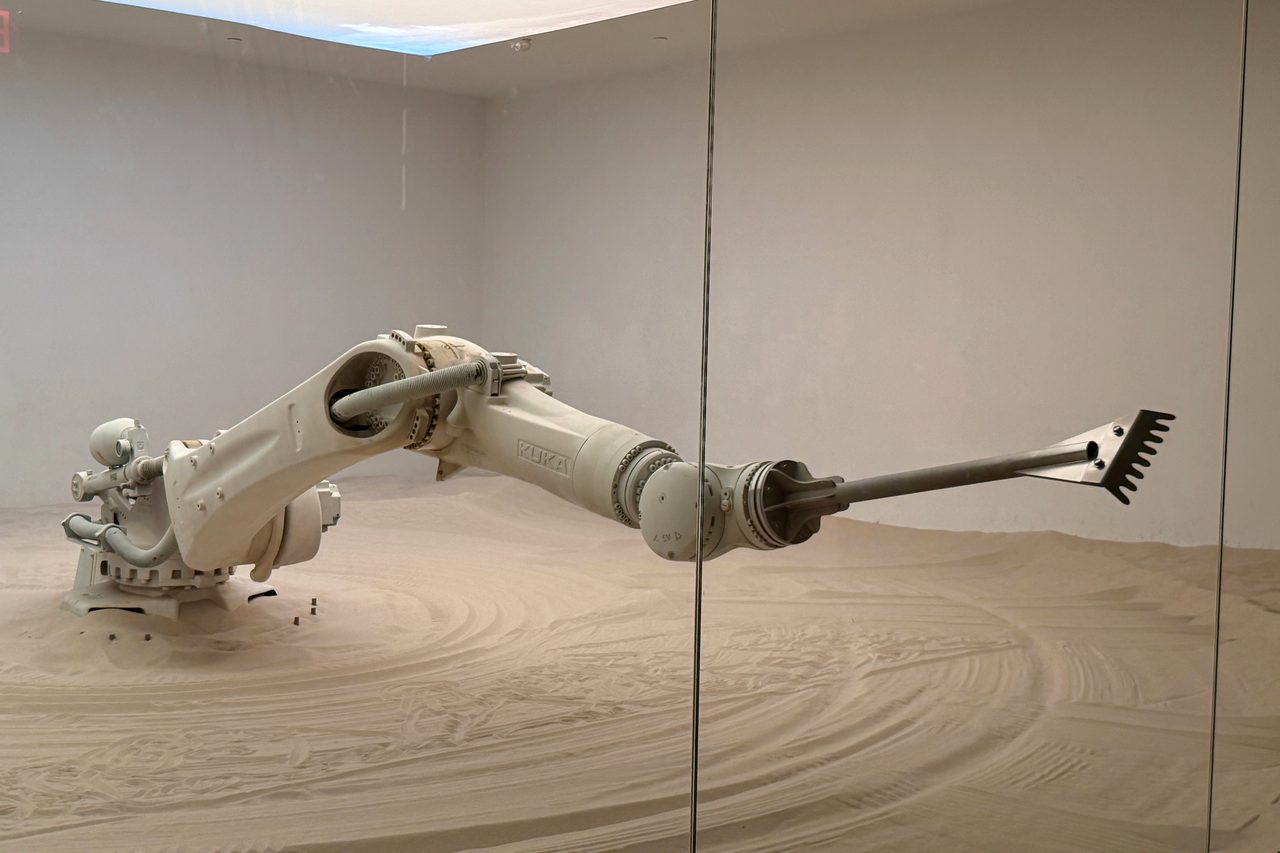
Your product has moved to a new generation, but the robot remains. Replace the end gripper, adjust the program and process parameters, and the older robot handles the new product's work.
Incoming part positions inconsistent? Add a vision system for positioning compensation — reducing fixed tooling investment and improving flexibility.
Bring fencing, light curtains and emergency-stop circuits up to current safety standards — protecting people and avoiding inspection risks.
A written assessment first — whether to retrofit is your call
Book a Retrofit AssessmentAll trademarks and logos belong to their respective owners and are used solely to link to their official websites. No affiliation, endorsement or partnership is implied.
Assessment first, plan second — if a small change will do, we won't talk you into a large one
Refurbishment of ageing control cabinets, replacement of drive and servo systems and complete cable renewal — solving the recurring alarms and stoppages caused by electrical ageing.
Extends machine lifeAdd vision-based positioning, seam tracking, force control or safety sensors so your existing equipment handles more demanding conditions — with less reliance on high-precision fixtures.
Adapts to new processesSafety circuit rework, added safety light curtains and area scanners, improved fencing and interlocks — bringing the machine up to current safety requirements so acceptance checks go with confidence.
Compliance firstSelection and adaptation of grippers, suction cups, welding torches and other end effectors, plus quick-change devices — one robot adapted to many different workpieces.
One machine, many usesMachine relocation and re-layout, base and stand modifications, and integration with newly added stations — repositioning your existing equipment to match the adjusted line.
Reconfigure the layoutLubrication and sealing improvements, pneumatic circuit optimisation and wear-part life management — lowering day-to-day running costs and reducing unplanned downtime.
Lower cost, higher outputTypical improvement directions for common retrofit projects — actual results are confirmed by measured assessment
| Item | Common problems before | Improvements after |
|---|---|---|
| Electrical system refurbishment | Frequent alarms, intermittent stoppages, ageing cables running hot | Noticeably fewer alarms, more stable operation |
| Trajectory & cycle-time optimisation | Redundant motions, long waits, cycle time missing target | Shorter time per cycle, higher capacity |
| Vision add-on | Reliant on high-precision fixtures, slow changeover adjustments | Self-adapts to workpiece deviation, faster changeovers |
| Safety retrofit | Incomplete safety circuits, corrective actions demanded in inspections | Interlocks and guarding completed, inspections pass more smoothly |
| Quick-change end effector | Lengthy fixture changes, dedicated staff required | Rapid switching, handled by one person |
The machine isn't at the end of its life, but it feels more awkward to use all the time — that limbo state is the most frustrating. When you see the signals below, a professional assessment is worth doing:
The assessment is free: tell us the symptoms, and we'll first judge whether a retrofit is worthwhile and how to make it most cost-effective — then you decide whether to proceed.
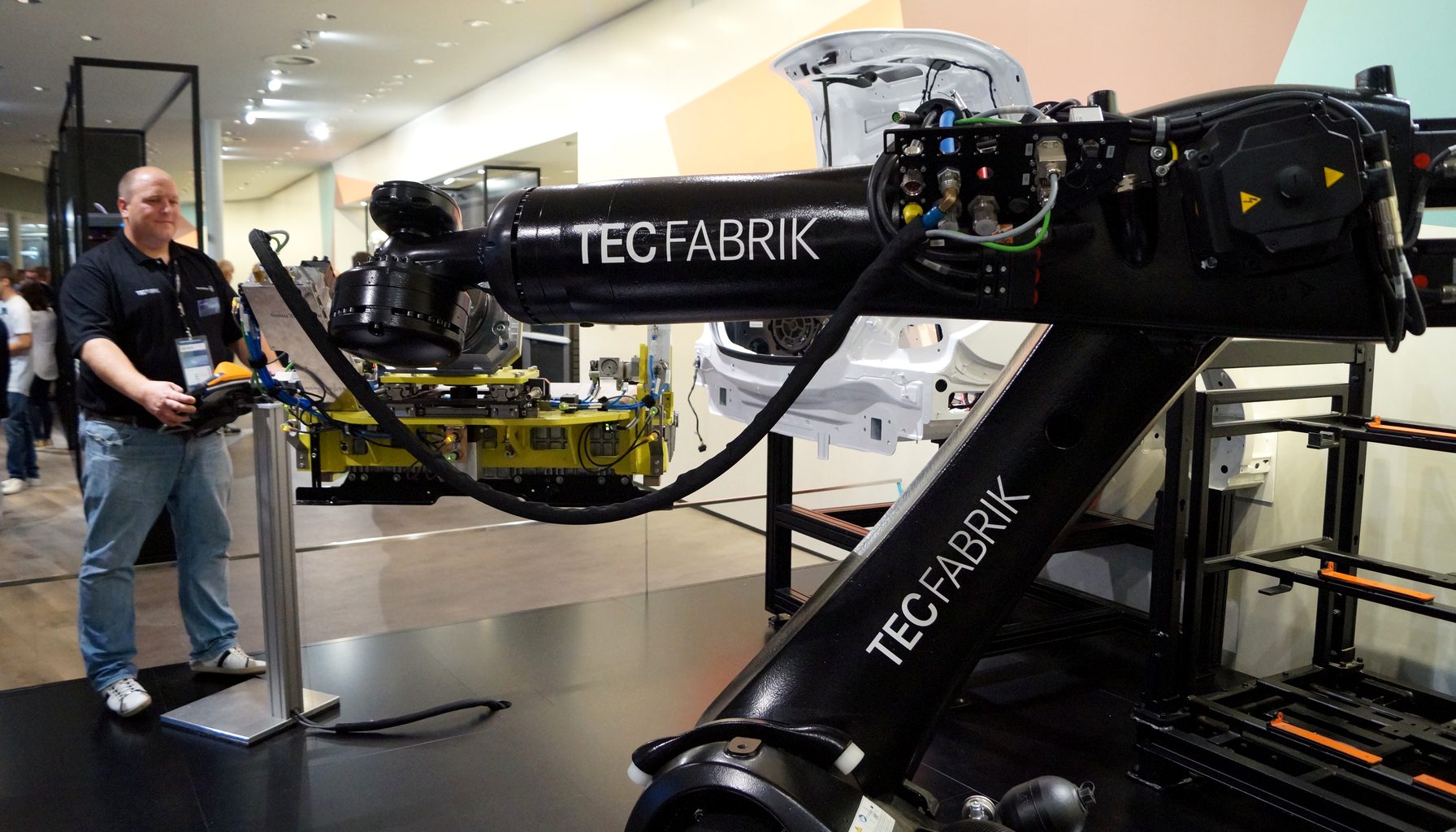
Assess first, quote second — work begins only once you confirm the plan
Three things matter: the mechanical condition of the robot body, the retrofit cost versus the price difference to a new machine, and what your new process demands of the equipment. We give you an honest comparison — and if buying new is the better deal, we'll say so. Feel free to look at our new robot sales or used robot sales.
We don't promise numbers pulled out of thin air. During the assessment we take real measurements and give you an achievable range with the reasoning behind it; acceptance is based on the measured KPIs both sides confirm.
For safety-related and structural changes we explain the scope of impact and carry out the work to the applicable standards. If the machine is still under OEM warranty, we recommend confirming with both us and the OEM before starting.
Minor program and parameter optimisation takes from a day to a few days; typical projects such as electrical refurbishment or vision add-ons take one to several weeks, with the schedule set out in the plan.