
In many factories, robots are only repaired once they break — service is called only after an alarm and shutdown, by which time the production line has already lost output and repair costs are often higher too. In fact, just like a car, periodic maintenance can greatly reduce the risk of unexpected faults and extend equipment life. Based on the many "entirely avoidable" failures we see in repairs, here is a practical periodic maintenance guide.
Daily Checks (Operators, Per Shift / Per Day)
- Listen and watch for abnormal noise, vibration or unusual temperature rise during operation
- Check the robot body and surroundings for oil leaks or seepage
- Confirm that the emergency stop, safety doors and other safety devices function properly
- Keep the robot body and control cabinet clean to prevent dust build-up
Monthly Inspections (Equipment Administrator)
- Check body cables and the cable carrier for wear, sheath damage or over-bending
- Verify that each axis moves smoothly through its full travel, with no stiffness or hesitation
- Check the control cabinet fans and the cleanliness of the air filters
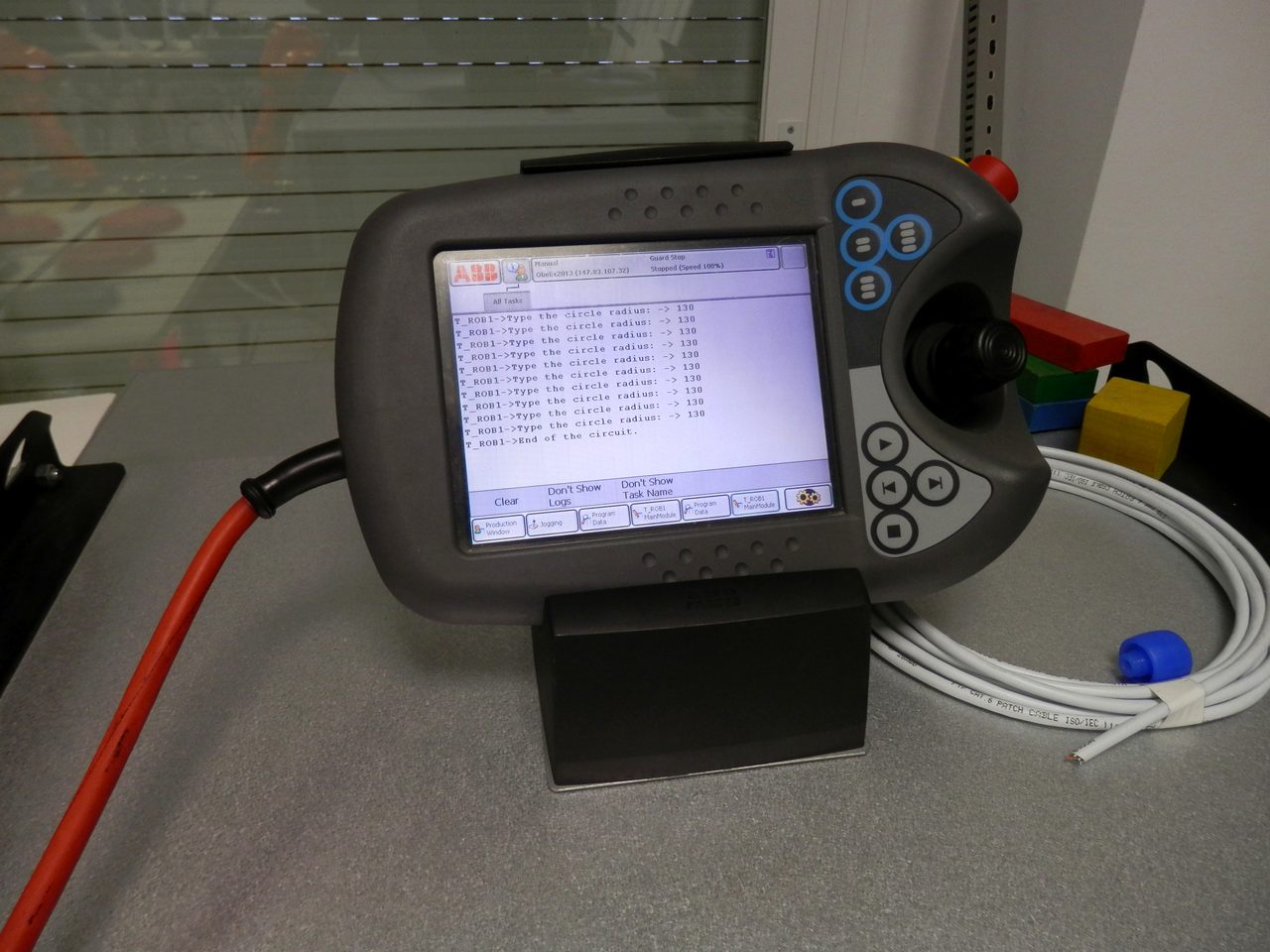
- Confirm that the teach pendant keys, screen and emergency stop all function normally
Annual Servicing (Best Performed by Professional Engineers)
- Replace the reducer lubricating oil/grease on each axis (oil type and intervals vary by brand and model — follow the manual)
- Measure accuracy and repeatability; perform master/zero-point calibration if needed
- Check fastening bolt torque and address any mechanical looseness
- Clean dust from inside the control cabinet; check the condition of the power supply and drive modules
- Back up the robot programs and parameter data to guard against the unexpected
Field Notes
For maintenance scheduling we recommend a dual-track sheet: one track follows the manual intervals (grease, batteries, belts), the other applies field-duty corrections (shortening factors for high-takt, high-temperature or dusty workshops) — whichever track comes due first governs. Many customers keep only the manual track, and their high-takt machines enter the reducer wear window a full year early. The dual-track sheet takes half an hour to build and saves the cost of a complete overhaul later.
One-Line Takeaway
Whichever track comes due first governs — what it saves is the cost of a later overhaul.
How to Set Your Maintenance Intervals
Maintenance intervals depend on the robot's brand, duty cycle, cycle rate and working environment (dust, temperature). A machine running 24 hours a day on high-cycle duty needs correspondingly shorter intervals. If you're unsure how to schedule maintenance for your equipment, tell us the brand, model and operating conditions — we'll design a maintenance plan and carry it out on site. See our Maintenance & Overhaul service for details.