
When people talk about industrial robots in Guangdong, they are not talking about one or two showcase factories — they are talking about a manufacturing base that runs on automation. Public statistics show Guangdong has led China in industrial robot output for several consecutive years, roughly 40% of the national total, with Guangzhou, Shenzhen, Foshan and Dongguan as the four biggest application hubs. For an equipment service provider like us, that means one very practical thing: the installed base is large enough that demand for maintenance, repair, retrofit and circulation never really stops.
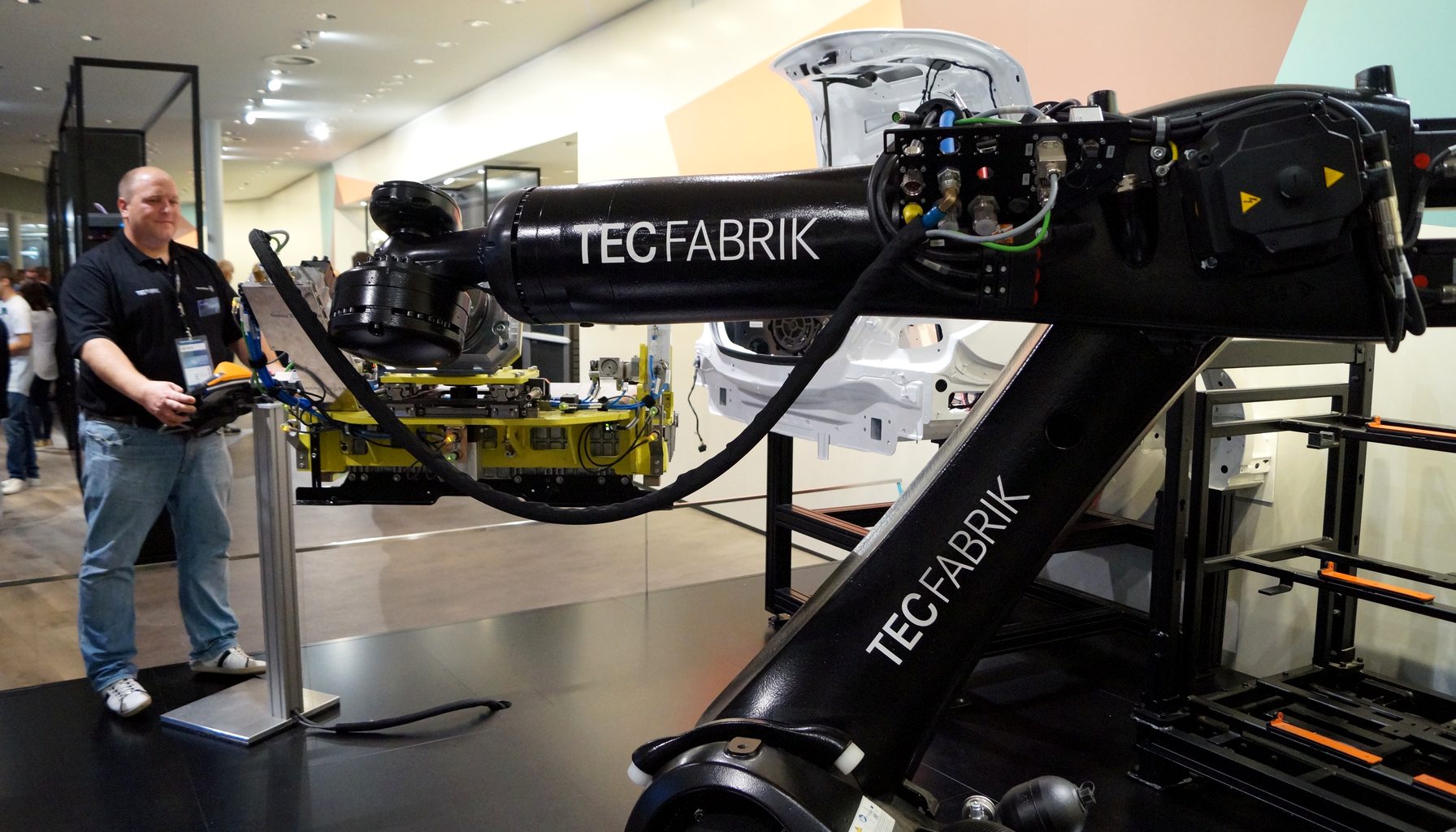
What "high application density" really means
Robot density — industrial robots per 10,000 manufacturing workers — is the standard yardstick for automation. According to public IFR reports, China's robot density has climbed into the top tier worldwide, and the Pearl River Delta is among the densest regions in the country. Density cuts both ways: on one side, productivity; on the other, service demand. More robots mean more periodic maintenance, more breakdown repairs, more spare parts. A 3C plant running hundreds of small six-axis machines can hardly operate without a standing maintenance crew.
A large installed base creates three real needs
| Need | Typical scenario | Usual approach |
|---|---|---|
| Periodic maintenance | Reducer grease change, backup batteries, cable inspection | Maintain on schedule to cut unplanned downtime |
| Breakdown repair | Reducer noise, motor alarms, control cabinet board faults | On-site inspection first, then repair or replace |
| Equipment circulation | Selling idle robots, sourcing cost-effective units for expansion | Residual-value assessment, test and refurbish before trade |
General industry patterns; actual solutions depend on site assessment.
Field Notes
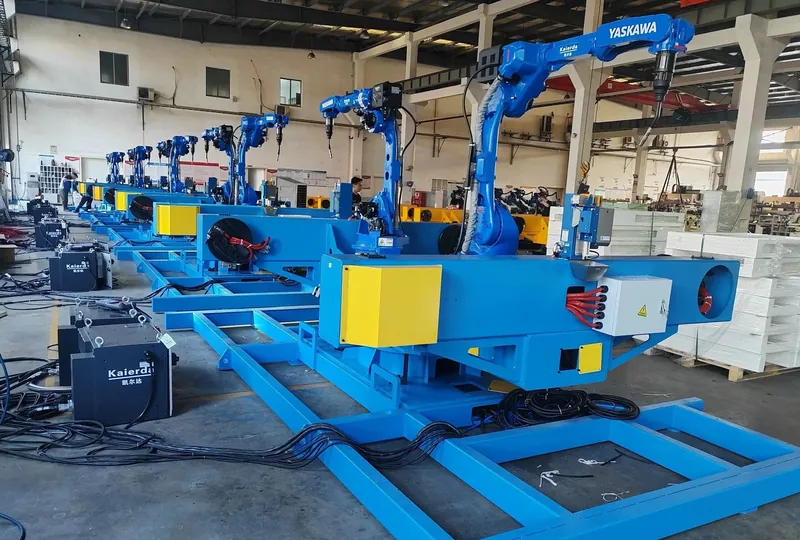
For an equipment service provider, a large installed base shows up on work orders as three concrete changes: mixed-brand lines take a rising share (three or four brands on one line is now routine, and single-brand after-sales cannot cover that), the fleet is ageing (machines past five years are entering the window where reducers and batteries need replacement in clusters), and downtime cost keeps climbing (the tighter the takt, the higher the loss per hour). These three points define the space for third-party multi-brand service — and they decide that the spares cabinet must be stocked for mixed lines.
Order of Work
- List the brand mix and age structure of your mixed lines
- Stock the spares cabinet for the mixed brand set
- Fold downtime-cost calculations into the service plan
Why local service beats waiting for the OEM
OEM after-sales is authoritative but slow and expensive — a poor fit for small and mid-sized factories. A local third-party crew can be on site within hours, and with multi-brand capability it can handle mixed lines of FANUC, ABB, YASKAWA and KUKA — the norm across the Delta. Related services: on-site inspection & repair, application support.