
"This robot is eight years old — should we replace it?" is one of the questions we hear most. The honest answer is usually not "yes" or "no" but "assess first". Age does not equal scrap: the mechanical structure often has plenty of life left; what reaches its limit first is usually the electrical system, control precision and software compatibility. Measure those three properly and the replace-or-retrofit answer tends to surface on its own.
What the assessment looks at
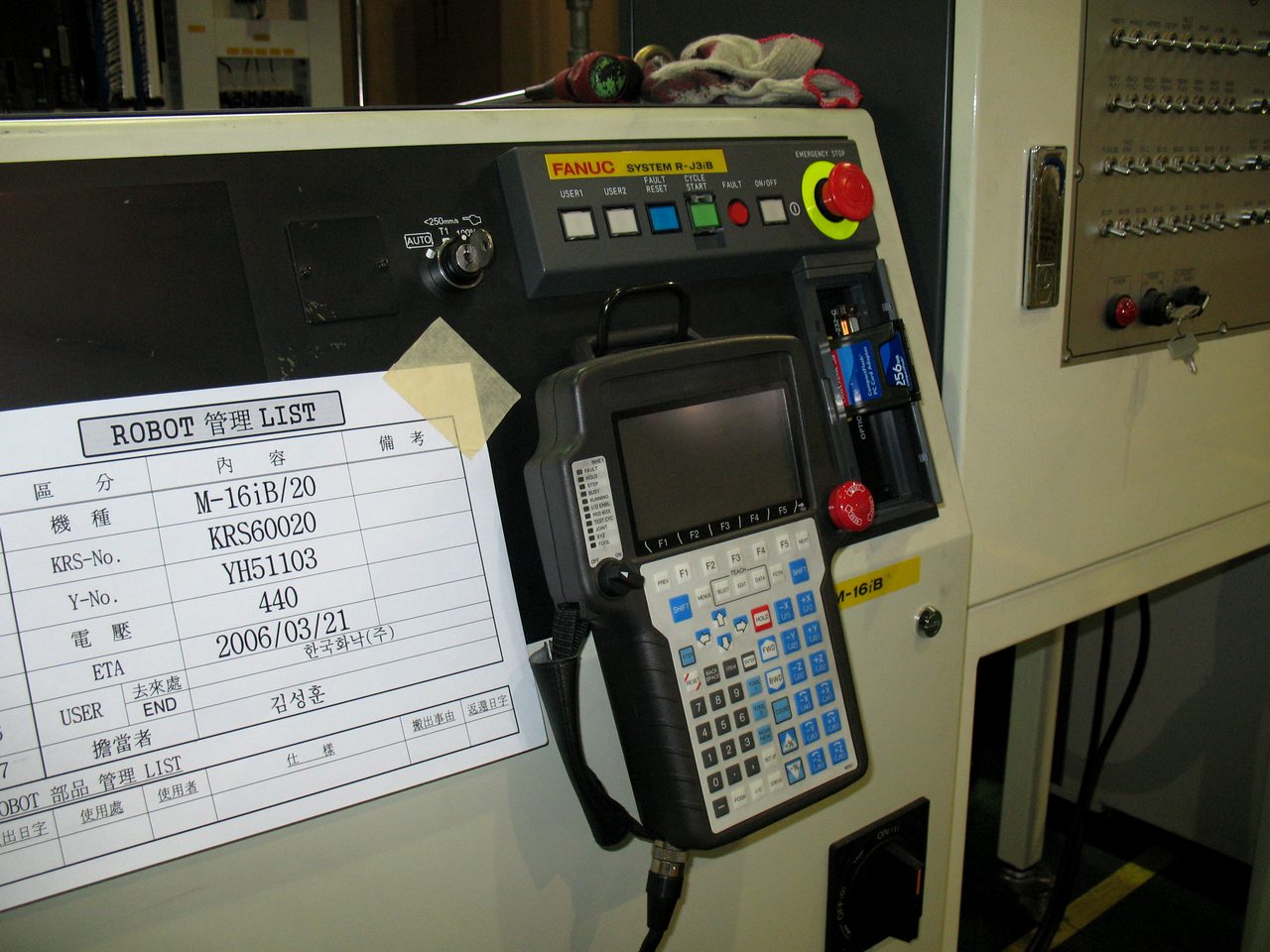
Mechanical body. Axis backlash, reducer condition, structural rigidity — a machine with backlash in spec and no abnormal noise usually still has a sound mechanical base. Electrical system. Cable aging, servo drive condition, control cabinet board age — electrical fixes cost far less than repurchasing. Precision and takt. Measured repeatability and cycle time against current process requirements — if they meet the bar, there is no hard reason to replace.
What retrofit typically touches
| Retrofit direction | Problem solved | Typical investment level |
|---|---|---|
| Electrical overhaul (cables/drives/boards) | Alarms and stops from aging | Low · far below replacement |
| Vision add-on | Fixture-dependent positioning, low flexibility | Medium · per station |
| Safety retrofit (light curtains/speed limit/area scanners) | Safety compliance for human-robot mixed lines | Medium · per risk assessment |
| Software upgrade and interface retrofit | New MES/PLC protocol integration | Low-medium · depends on scope |
Investment levels are relative; actuals follow the quoted plan.
Field Notes
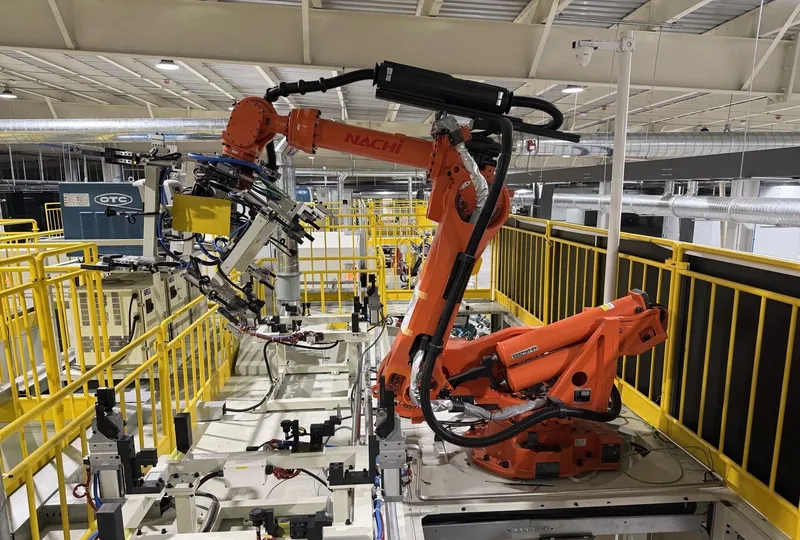
In every "replace or retrofit" assessment we look at four fixed numbers: the age of the manipulator and the state of its reducers; the controller generation and spares availability; whether the process takt requirements have changed; and the safety-compliance cost of the retrofit. If two or more of the four are unfavourable, retrofitting is a money trap; otherwise retrofit usually beats replacement on value, because the mechanical structure of a manipulator outlives its electronics by far. The conclusion goes out as a written recommendation the customer can attach to a budget.
When replacement still makes sense
Severe mechanical damage (broken arm, heavy corrosion, crash units), completely discontinued spare parts, process demands beyond the model's physical limits — in these three cases retrofit value is poor and replacing is the rational call. When in doubt, let measured data speak. Related services: retrofit & upgrade, equipment assessment.