
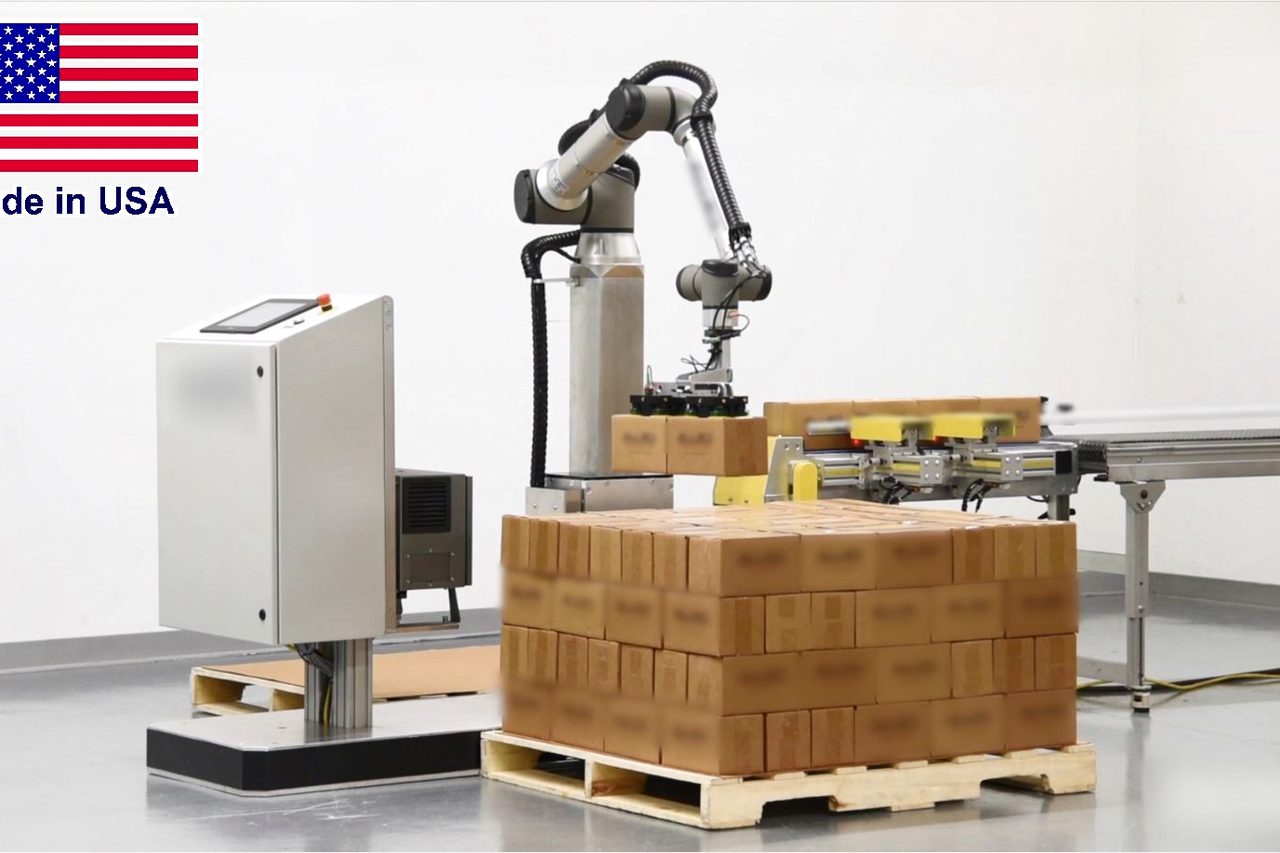
Collaborative robots (cobots) are the fastest-growing robot category of recent years. The reason is simple: quick to deploy, small footprint, low programming barrier — a small factory can figure one out on its own within two weeks. But between "running" and "running safely for the long haul" lies a stretch of road — and that stretch is where service demand comes from.
Field Notes
As collaborative robots spread, the demand structure for safety assessments has changed: it used to be "install fencing and build a safety circuit"; now it is "risk-assessment documentation for fenceless applications". One point buyers often miss is that there are four collaborative modes (safety-rated monitored stop, hand guiding, speed and separation monitoring, power and force limiting), and each mode places completely different requirements on mounting posture, workpiece edges and pinch points. Unless the assessment document states which mode applies and which limit values it relies on, acceptance has no basis.
Three Key Concepts
- The four collaborative modes
- Monitored stop / hand guiding / speed & separation / power & force limiting
- Basis of the limit values
- What the assessment document must state for acceptance
Three new needs that come with faster adoption
Safety assessment. The selling point of a cobot is "no fence", but that does not mean every condition is safe. Payload, speed, gripper shape and human-machine interaction frequency all change the risk level; a risk assessment before go-live is worth it. Operator training. Teaching and programming have indeed become easy, but exception handling, maintenance checks and fault recovery are where untrained operators let small issues snowball into major failures. Line integration. Cobots rarely stand alone; most slot into a station of an existing line, and signal interfacing, takt matching and PLC interlock all take commissioning effort.
Common problems and practical fixes
| Common problem | Consequence | Practical fix |
|---|---|---|
| Go-live without risk assessment | Collision injury or shutdown for rectification | Verify speed/force limits and safeguards before go-live |
| Operators clear alarms by guesswork | Repeated false stops, takt keeps slowing | Standard operating procedure, trained before posting |
| Signals with existing equipment not tuned | Idle waiting for signals, low utilization | Joint PLC and upstream/downstream signal tuning during commissioning |
Common patterns; specifics depend on site conditions.
Why technical support is worth more than selling the machine
Cobot hardware is commoditizing fast and prices are transparent; the real differentiator is who helps the customer use the machine well — accurate risk assessment, solid training, smooth line integration. That is why we keep investing in application support. Related services: application support, maintenance.