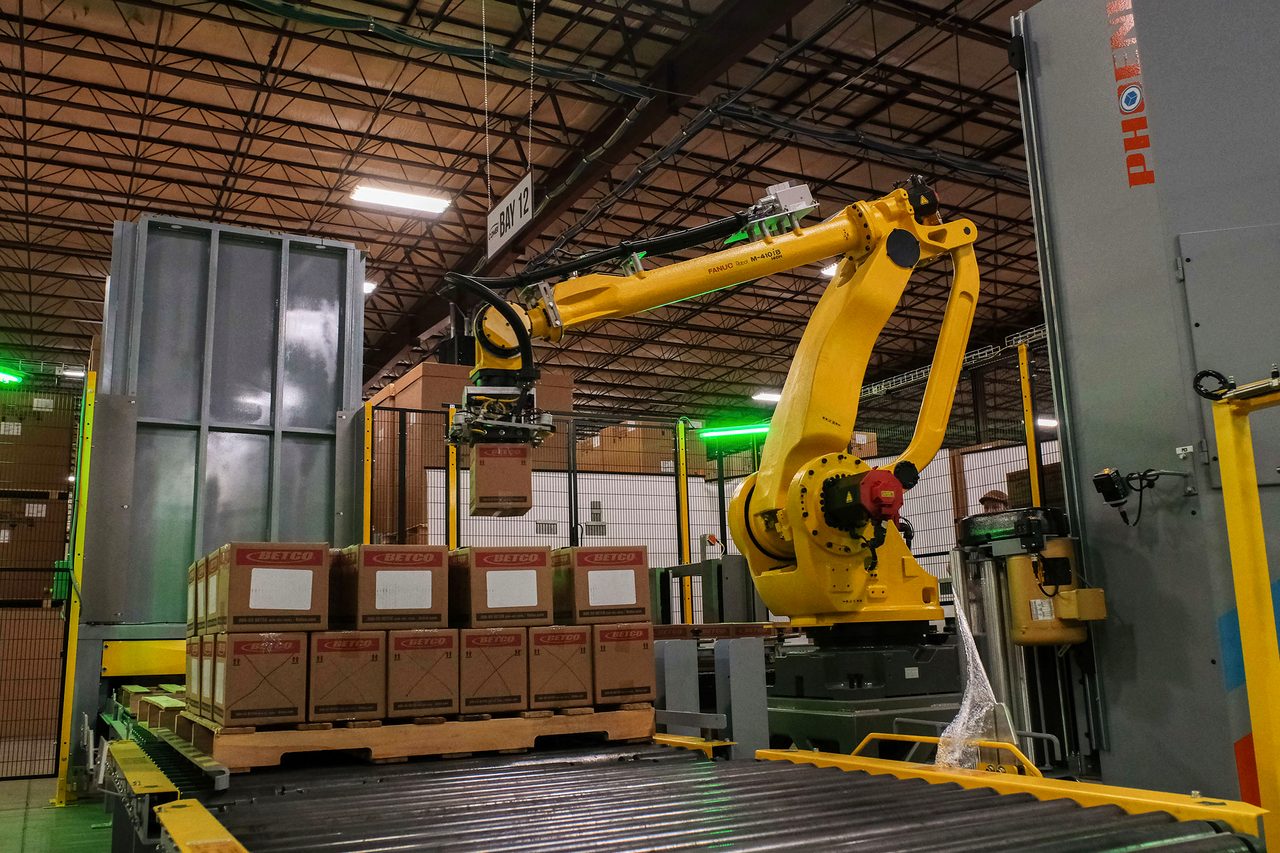
Walk into a factory ten years ago and the line was almost entirely imported brands. Visit today and names like ESTUN, INOVANCE and SIASUN appear far more often. Shipments from leading Chinese brands in handling, welding and bending have grown year after year, and "imported + domestic" mixed lines are moving from exception to norm.
Why factories mix brands
The math is straightforward: imported machines for critical, high-precision stations — stable and reliable; domestic machines for repetitive tasks with ordinary takt requirements — lower investment and faster delivery. Each doing what it does best, the line as a whole earns a better return. Add the progress Chinese brands have made in ease of use and local service response, and the cost of running mixed lines keeps falling.
Three changes mixed lines bring to equipment management
| Change | Impact on the factory | Practical response |
|---|---|---|
| Two spare-parts systems | Two parts lists, heavier inventory burden | Stock wear parts by brand tier; route core parts through service channels |
| Repair needs multi-brand capability | Single-brand repair shops cannot cover the line | Prefer multi-brand providers who cover the whole line |
| More mixed brands in the used market | Valuation gets harder | Value by measured data, not brand name alone |
Common management patterns; actual practice follows your line configuration.
Field Notes
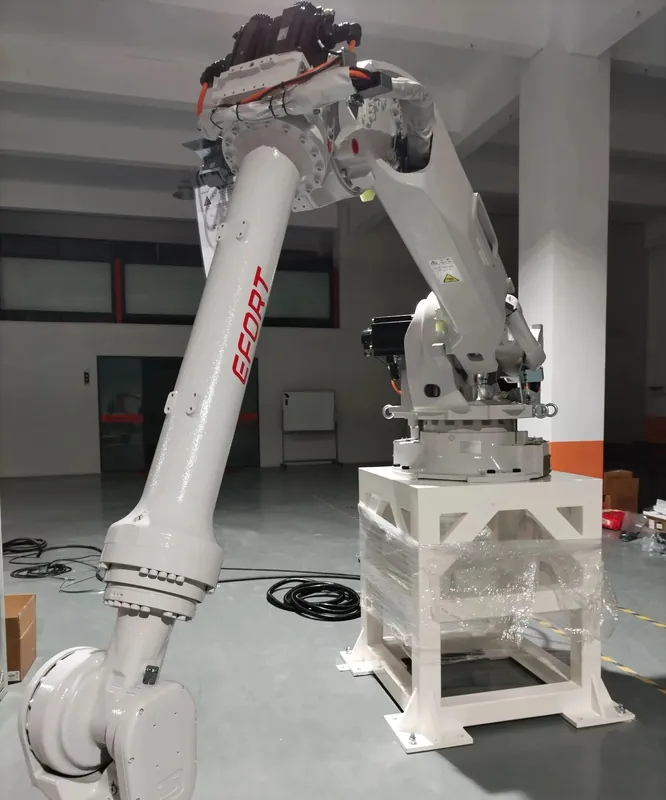
For maintenance teams, mixed import-plus-domestic lines mean dual-track management of spares and documentation: domestic brands offer short lead times and lower prices, but some models have less public documentation than imported brands; imported brands have full manuals but long lead times. Our practice is to keep a dual-track spares sheet for every mixed-line customer: for each common wear part, the feasibility of a domestic substitute is marked line by line (drop-in / needs verification / not substitutable), and every substitute goes through bench validation before it is fitted to the machine.
One-Line Takeaway
Every substitute part goes through bench validation before it is fitted to the machine.
What this means for repair providers
In the mixed-line era, providers who can only fix one or two brands will see their road narrow; multi-brand capability is the entry ticket. We currently repair mainstream imported brands — FANUC, ABB, YASKAWA, KUKA — as well as leading Chinese brands such as ESTUN and INOVANCE, so a mixed line can be covered by one provider. Related services: multi-brand repair, line application support.