Ceramics shops - dust, heavy load, heat - are among the fastest places to wear a reducer. The value of this case is the decision line between re-greasing and replacing: getting it wrong one way or the other is a five-figure difference.
A palletizing robot developed once-per-revolution noise under full-load swing; the customer feared a dead reducer hitting shipments. The ceramics line runs two shifts with only a 4-hour Sunday-morning window.
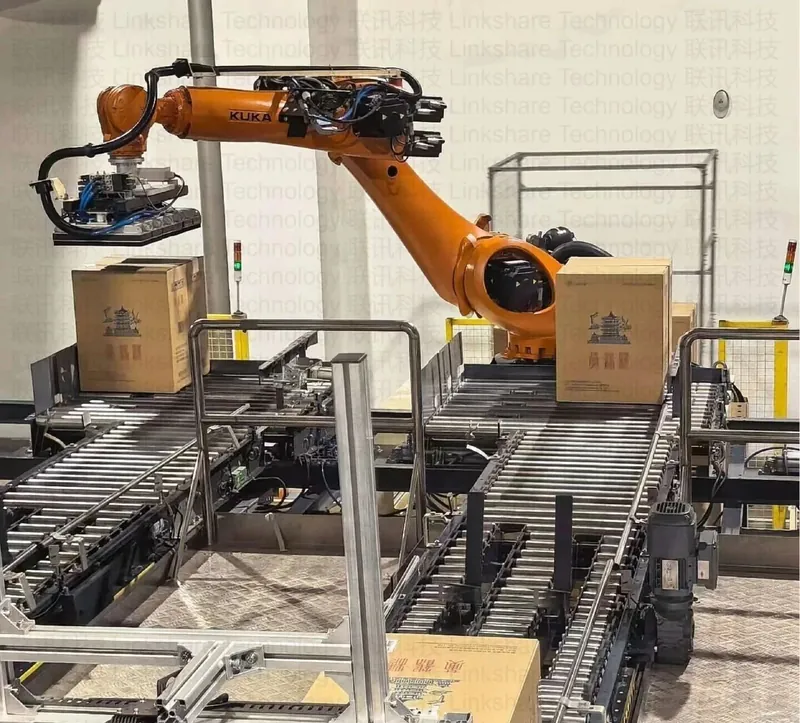
Classify the sound first: silent unloaded and slow, a single knock per revolution only under full-load swing - pointing inside the reducer, not the motor or bearing seat. Then grease sampling from the drain: black with a fine metallic sheen, but low powder content and no flake particles. Together these read as "early wear with dead lubrication", not "reducer finished".
Our line: no flake particles in the sample, knock only under full load, and temperature overshoot within 10 C - all three together mean re-grease first and shorten the re-check interval; any one failing (especially flakes or noise at no load) means evaluate replacement. This case passed all three, so we re-greased inside the Sunday window (full drain, new-grease flush, fill to volume); the knock clearly reduced at full load afterwards.
Two-week re-check: noise further reduced, temperature down 8 C. We set monthly re-checks with comparative sampling; three months on, the sound sat stably low and stopped progressing. The customer then put two same-age machines on the same line into an early re-grease plan - the case's biggest win: from "fix when broken" to "service by sample".