The lesson here is blunt: two robots throwing alternating drive alarms invites the "bad spares" reflex, but the culprit sat on the shop distribution side. The wrong direction means swapping parts on both machines and keeping the problem.
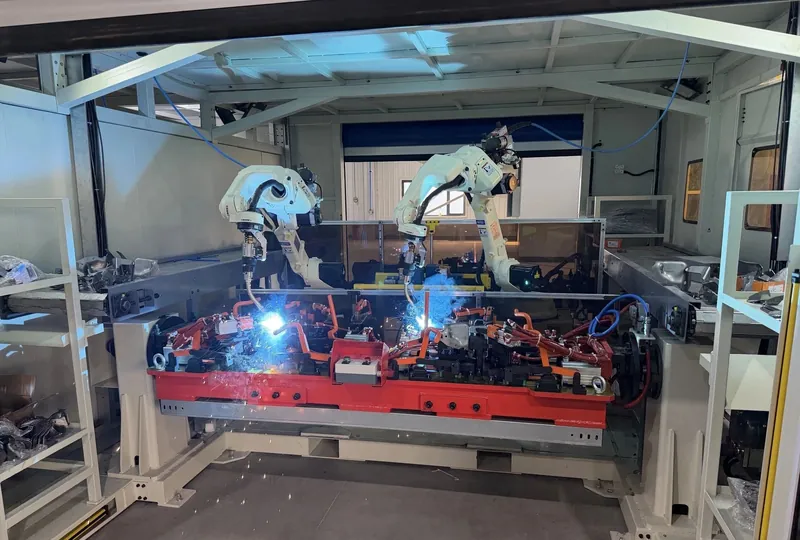
A twin-robot welding cell (same brand, same batch) threw alternating bus-undervoltage and overcurrent alarms over a month; each clear lasted days. The customer had already swapped drive spares on one arm with no change and was starting to doubt the whole batch.
Look for the pattern before opening machines: alarm timestamps against the production schedule showed clustering in the late middle shift - exactly when two new high-power presses went into service. Then measure the supply: during alarm windows we read about 4% three-phase imbalance, above our 3% field line; outside alarms it fell back near 1.5%. Both robots share one distribution run; when the presses pull, the bus sags and undervoltage fires first, then the recovery surge trips overcurrent.
On the robot side we only confirmed: bus capacitance, braking-resistor value and power-module insulation all in tolerance - the machines themselves were clean. On the distribution side we recommended: presses on a dedicated circuit with soft-start, plus voltage monitoring on the robot circuit. The customer implemented; zero recurrence in the following two weeks.
No robot spares changed by us (the customer's earlier swap tested fine and went back to stores). Handover: alarm-vs-schedule analysis, imbalance measurements (alarm vs quiet windows), and the distribution upgrade recommendation. We use this case to remind customers: on drive alarms, measure the supply before stripping the machine.