Encoder and power cables flex thousands of times per shift in the chain; fatigued copper cores are the number-one cause of "comes and goes" faults. This page writes our inspection criteria and how we reproduce an intermittent open.
Jacket: full-length visual plus hand pass for cracks, whitening and crushed sections, focusing on the two bend points where the cable enters and leaves the chain. Strands: continuity and resistance on suspect cables, plus three-phase balance on power cables. Bend radius: measure static and dynamic bends against the cable spec; below allowance means re-route or a larger-radius chain. Chain body: cracked links, missing or shifted separators, internal burrs - a missing separator lets cables grind against each other inside.
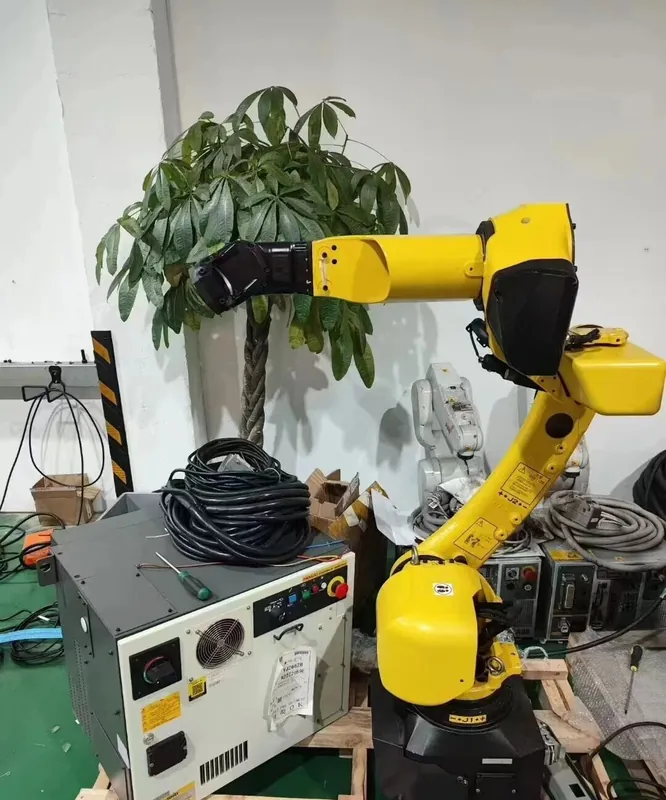
The hard part of an intermittent open is reproducing it. Our method: pull the axis pose from the alarm record, jog the suspect axis to near that pose by hand, and measure continuity and feedback while moving; watch how the chain bends at that pose. One reproduction locks the segment - do not guess and swap the whole run. Then inspect the break: usually 10-30 cm inside the bend point.
Break inside the chain section, or the cable past its rated bend count: replace the whole run, no splice. Break in a fixed section with the rest of the cable sound: a proper joint is acceptable (heat-shrink plus strain relief), but the joint position goes into the record for the next inspection. A splice inside the chain will fail again at the same spot, sooner rather than later.
On every service we log accumulated run hours and takt, estimate chain bend count, and put the chain on the replacement plan as it approaches design life. That record turns "sudden broken cable" into "planned cable change", with the stop window chosen by the customer.